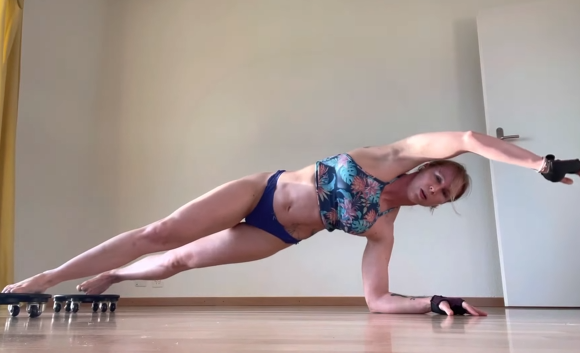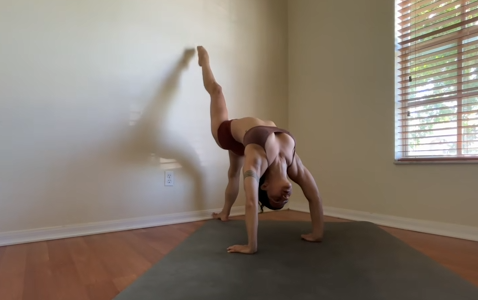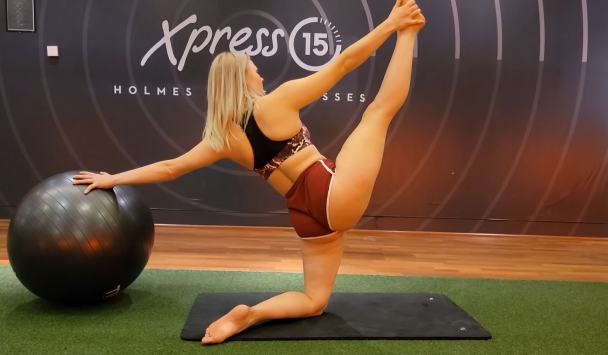
Flexibility is a powerful expression of strength, control, and patience. When it comes to leg flexibility, few movements are as iconic—or as challenging—as splits and oversplits. Whether you’re a beginner exploring yoga or someone pushing into contortion-level training, stretching your legs properly can transform your mobility, improve performance, and help prevent injury. This workout focuses on building flexibility step by step, blending yoga principles with deeper stretch techniques used in contortion training.
To begin, it’s important to understand that flexibility is not just about forcing your body into extreme positions. It’s about consistency, breath control, and listening to your body. Splits don’t happen overnight. Oversplits—where your legs extend beyond a flat 180-degree split—require even more preparation, strength, and patience.
Start your session with a gentle warm-up. Cold muscles resist stretching and are more prone to injury, so take at least 5–10 minutes to get your blood flowing. Light cardio such as jogging in place, jumping jacks, or even dancing can help. Follow that with dynamic movements like leg swings—front to back and side to side—to begin opening your hips and hamstrings.
Once your body is warm, transition into basic yoga stretches. A great starting pose is the forward fold. Stand tall, inhale deeply, and as you exhale, hinge at the hips and fold forward, reaching toward your toes. Keep your knees slightly bent if needed. This stretch targets your hamstrings and lower back. Hold for about 30 seconds to a minute, breathing deeply and allowing your body to relax further with each exhale.
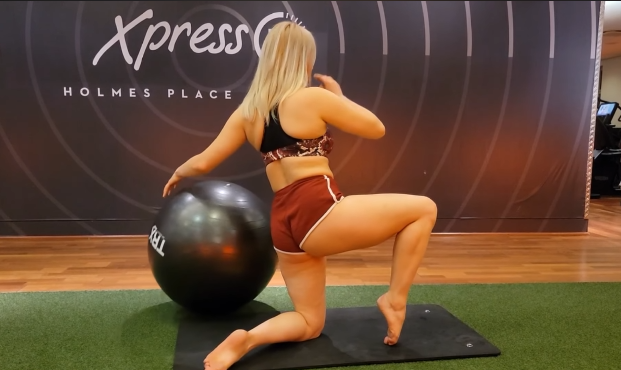
Next, move into a low lunge. Step one foot forward while extending the other leg back, lowering your hips toward the floor. This position stretches the hip flexors and prepares your body for deeper split work. To deepen the stretch, gently press your hips forward and lift your chest. You should feel a stretch along the front of your back leg and the inner thighs. Hold each side for at least 30 seconds.
From here, transition into a half split stretch. Shift your hips back, straightening your front leg while keeping your back knee on the ground. Flex your front foot and fold forward slightly over your leg. This isolates the hamstrings and helps improve the flexibility needed for splits. Keep your spine long and avoid rounding your back excessively.
As you progress, begin working toward a full front split. Slowly slide your front foot forward and your back leg back, using your hands for support on the floor. Go only as far as your body comfortably allows. It’s normal to feel tension, but avoid sharp pain. Stay in the position for 20–30 seconds, focusing on breathing and relaxing your muscles. Repeat on both sides.
Consistency is key. Practicing these stretches daily will gradually increase your flexibility. Over time, your splits will become deeper and more comfortable.
Once you can achieve a full split, you may be tempted to try oversplits. However, it’s crucial to approach this stage carefully. Oversplits require not only flexibility but also strength and control. To begin, place a yoga block, cushion, or low platform under your front foot while in a split. This elevates your leg slightly, increasing the stretch. Hold this position briefly and ensure your hips remain square and aligned.
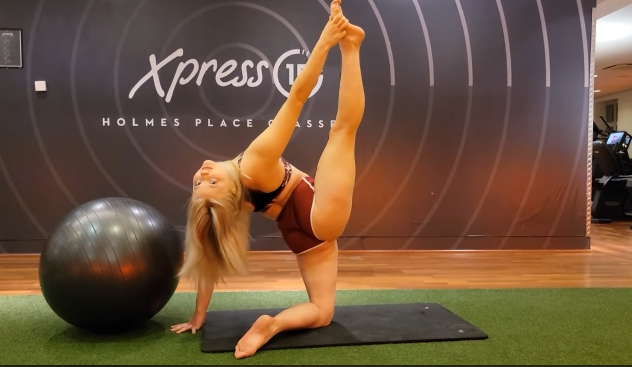
As your body adapts, you can increase the height gradually. Some advanced practitioners use two blocks—one under each leg—to create a deeper oversplit. But remember: pushing too quickly can lead to injury. Progress slowly and always prioritize proper form.
Incorporating active flexibility exercises can accelerate your progress. Instead of only holding stretches, engage your muscles while in the stretch. For example, in a split position, gently press your legs toward each other as if trying to lift yourself slightly. This builds strength in the stretched muscles, making your flexibility more stable and usable.
Breathing plays a critical role throughout your workout. Deep, controlled breathing helps relax your nervous system and allows your muscles to release tension. Inhale deeply through your nose, and exhale slowly through your mouth. With each exhale, imagine your muscles softening and lengthening.
Recovery is just as important as the workout itself. After intense stretching, your muscles need time to repair and adapt. Gentle movement, hydration, and proper rest will support your flexibility journey. You may also consider light massage or foam rolling to reduce soreness.
It’s worth noting that every body is different. Some people achieve splits more easily due to natural flexibility, while others require more time and effort. Avoid comparing yourself to others. Focus on your own progress and celebrate small improvements along the way.

Mental discipline is another key factor. Stretching deeply can be uncomfortable, and it takes focus to stay in challenging positions. Treat each session as a form of meditation—an opportunity to connect with your body and push your limits safely.
Adding variety to your routine can keep things engaging. Try incorporating poses like pigeon pose, frog stretch, and straddle stretches to target different muscle groups in your legs and hips. These complementary movements will enhance your overall flexibility and support your split training.
Finally, always listen to your body. Pain is a signal that something isn’t right. There’s a difference between the discomfort of a deep stretch and the sharp pain of an injury. If something feels wrong, ease out of the stretch and reassess your form.
The journey to splits and oversplits is a powerful blend of strength, patience, and dedication. With consistent practice, mindful breathing, and proper technique, you can unlock new levels of flexibility and control. Whether your goal is improved athletic performance, graceful movement, or mastering contortion skills, this leg stretching workout is your foundation.
Stay consistent, stay patient, and most importantly—enjoy the process.