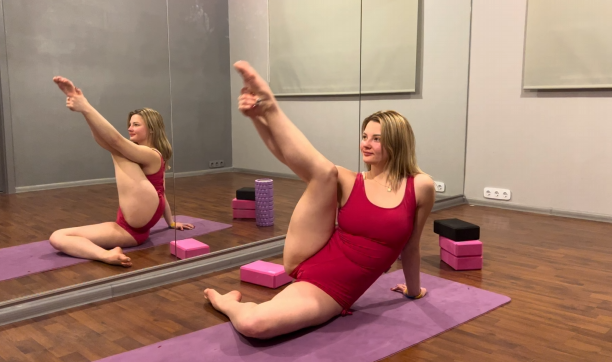
In a world that rarely slows down, your body often carries more tension than you realize. Hours of sitting, stress, and daily routines can leave muscles tight, joints stiff, and your mind cluttered. That’s where a simple yoga-at-home stretching routine can make a real difference. You don’t need a studio, expensive gear, or even much time—just a small space, a bit of consistency, and the willingness to reconnect with your body.
This full-body stretch routine is designed to help you release tension, improve flexibility, and feel more energized—all from the comfort of your home.
Getting Started
Find a quiet space where you can move freely. A yoga mat is helpful, but not essential—you can use a soft carpet or even a towel. Wear comfortable clothing that allows you to stretch without restriction.
Start by standing tall, feet hip-width apart, arms relaxed by your sides. Close your eyes for a moment and take a deep breath in through your nose, then exhale slowly through your mouth.
Let that breath signal the beginning of your practice.
1. Neck and Shoulder Release
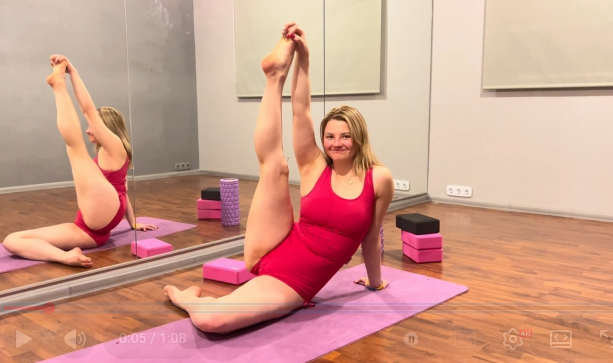
Gently lower your right ear toward your right shoulder. Don’t force it—just let gravity do the work. Hold for a few breaths, then switch sides.
Next, roll your shoulders slowly forward 5 times, then backward 5 times. Feel the tension melting away from your upper body.
This simple movement helps release tightness caused by sitting, phone use, and stress.
2. Standing Forward Fold
Take a deep breath in, raise your arms overhead, then exhale as you fold forward from your hips. Let your head hang heavy and your arms dangle toward the floor.
Bend your knees slightly if your hamstrings feel tight.
Stay here for 5–8 breaths, allowing your spine to decompress. You may feel a gentle stretch in your back, legs, and even your neck.
3. Half Lift (Spine Lengthening)
From your forward fold, place your hands on your shins or thighs and lift your torso halfway up, keeping your back flat.
Look slightly forward, lengthening your spine from head to tailbone.
Hold for a few breaths, then exhale back into the forward fold.
Repeat this movement 3–5 times to wake up your spine.
4. Downward Stretch (Full Body Activation)
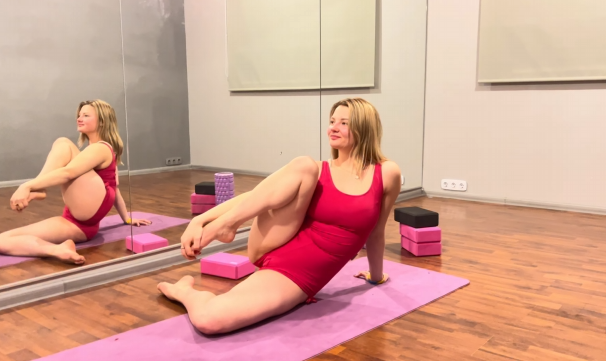
Step your feet back into an inverted “V” shape. Press your hands firmly into the ground and lift your hips toward the ceiling.
Keep your knees slightly bent if needed, and try to lengthen your back rather than forcing your heels down.
This stretch engages your arms, shoulders, hamstrings, and calves—all at once.
Hold for 5–10 breaths.
5. Low Lunge (Hip Opener)
Step your right foot forward between your hands, lowering your left knee to the ground.
Place your hands on your front thigh and gently sink your hips forward.
You should feel a stretch through your hip flexors—the muscles that often tighten from sitting too much.
Raise your arms overhead if you feel comfortable, opening your chest and breathing deeply.
Hold for 5–8 breaths, then switch sides.
6. Seated Forward Stretch
Sit down with your legs extended in front of you.
Inhale and reach your arms up, then exhale as you fold forward toward your feet.
Don’t worry about touching your toes—focus on lengthening your spine.
Rest your hands wherever they naturally land: thighs, shins, or feet.
Hold for 8–10 breaths, allowing your body to gradually relax into the stretch.
7. Gentle Spinal Twist
Sit upright and bend your right knee, placing your foot over your left leg.
Place your right hand behind you and your left elbow on your right knee. Gently twist your torso to the right.
Keep your spine tall and your breath steady.
Twists are great for releasing tension in the back and improving mobility.
Hold for 5–7 breaths, then switch sides.
8. Reclining Stretch (Lower Back Release)
Lie on your back and hug both knees into your chest.
Gently rock side to side, massaging your lower back against the floor.
Then, drop both knees to one side while keeping your shoulders grounded, creating a gentle spinal twist.
Hold for a few breaths, then switch sides.
This movement is deeply relaxing and helps release lower back tension.
9. Full Body Relaxation
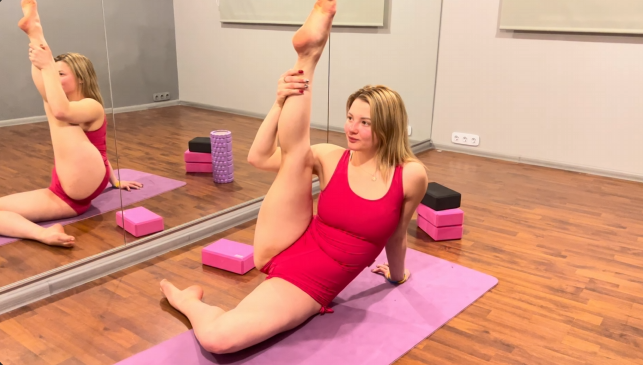
Extend your legs and arms comfortably on the floor, palms facing up.
Close your eyes.
Let your body sink into the ground completely.
Take slow, deep breaths and allow every muscle to soften—your face, shoulders, chest, legs.
Stay here for at least 2–5 minutes.
This final relaxation is just as important as the stretches. It allows your body to absorb the benefits of your practice.
Why This Routine Works
This full-body stretching routine is simple, but powerful. It improves flexibility, increases blood flow, and helps your muscles recover from daily strain. More importantly, it creates a moment of stillness—a break from constant movement and mental noise.
With regular practice, you may notice:
- Less stiffness in your joints
- Better posture
- Improved balance
- Reduced stress and tension
- More awareness of your body
Make It a Habit
You don’t need to spend hours doing yoga to feel the benefits. Even 10–15 minutes a day can make a noticeable difference.
Try doing this routine:
- In the morning to wake up your body
- After a workout to aid recovery
- In the evening to relax and unwind
Consistency matters more than intensity.
Final Thought
Your body works for you every single day—supporting you, moving you, carrying you through life. Taking a few moments to stretch, breathe, and reconnect is one of the simplest ways to give something back.
So roll out your mat, take a deep breath, and begin.
Your body will thank you for it.