In the Monkey’s Wild Society, There’s Probably No Such Thing as the Human Concept of Love!

In the Monkey’s Wild Society, There’s Probably No Such Thing as the Human Concept of Love!

In the lush forests where sunlight filters through dense canopies, rivers weave their way across mossy banks, and leaves rustle with the whisper of the wind, monkeys thrive in a world governed by instinct, survival, and social dynamics. To the human eye, their society can appear playful, even tender at times. Yet, for humans who are used to thinking in terms of love, romance, and emotional bonds, it is crucial to understand that the way monkeys interact is rooted in a very different set of rules—a world where survival often outweighs sentiment, and where what humans call “love” might not exist at all.

Monkeys live in highly structured societies, organized in hierarchies that determine access to food, mates, and shelter. Every action, every social gesture, serves a function—be it climbing the ranks of dominance, securing a meal, or protecting offspring. Grooming, one of the most commonly observed behaviors, often seems to resemble acts of affection that humans associate with love. However, in reality, grooming is rarely an emotional indulgence; it is a complex tool for social bonding, alliance-building, and even conflict resolution. When one monkey grooms another, it is as much about maintaining trust, avoiding aggression, and strengthening social ties as it is about comfort. In human terms, it might look like affection, but in the monkey’s mind, it is strategic behavior.

For example, in many species, subordinate monkeys will groom dominant members to curry favor, gain protection, or secure access to food resources. Grooming sessions can be lengthy and meticulous, often resulting in a calm and seemingly affectionate atmosphere. Yet, the intention behind these interactions is far from romantic or sentimental. They are transactional in nature. A monkey’s “affection” is rarely unconditional; it is a calculated exchange that serves its survival and social stability.

Mate selection, another behavior often misunderstood by humans, further illustrates the difference between human love and monkey society. In the wild, monkeys do not form lifelong bonds based on emotional attachment. Mating is largely driven by reproduction and the passing on of genes. Dominant males often monopolize access to females, while females may select mates based on strength, health, and genetic advantage rather than emotional compatibility. Courtship behaviors, such as playful chasing or vocalizations, are not signs of deep love—they are displays of fitness, dominance, or fertility. Even instances where a pair appears to stay together temporarily are usually influenced by immediate benefits such as protection, social positioning, or access to resources. What humans interpret as a loving couple in the animal kingdom is often a partnership forged by necessity, not emotion.

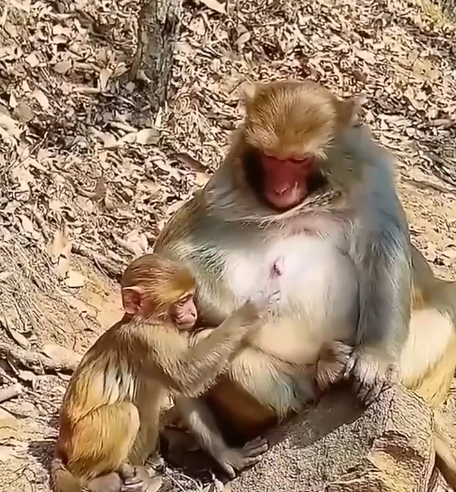
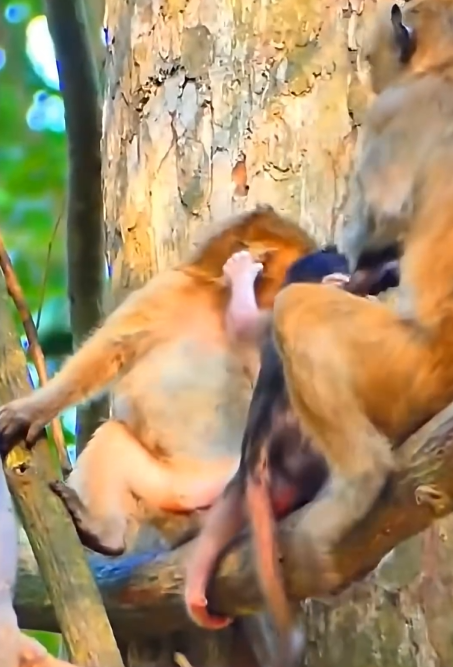
Parental care might seem like another aspect where monkeys exhibit traits reminiscent of human love. Mothers fiercely protect their offspring, nurse them, and teach them survival skills. These behaviors, though, are driven primarily by instinct. A mother’s attachment to her infant ensures the survival of her genes; without such dedication, the newborn’s chances of survival would diminish. Some monkeys exhibit alloparenting—where relatives or other group members assist in caring for the young—but this is also strategic. Supporting a relative’s offspring can increase the helper’s indirect genetic fitness, strengthen alliances, or improve social standing within the troop. There is rarely, if ever, a purely emotional motivation.

Even friendships, alliances, and social bonds among monkeys differ fundamentally from the human understanding of love. Bonds are often formed to achieve specific goals, such as protection from predators, shared access to food, or mutual support in conflicts. Reciprocity is expected, and the bonds can dissolve if the benefits are no longer apparent. Jealousy, competition, and power struggles are constant, shaping the social landscape more than feelings of emotional devotion ever do. In human terms, the closest equivalent to “love” in a monkey society is often loyalty born of self-interest, necessity, and strategy.

Observations of playful behaviors among monkeys might lead casual onlookers to misinterpret their interactions. Play fighting, chasing, and teasing are all common, and while these activities strengthen social bonds and enhance physical fitness, they are not emotional expressions of love. Even hugging or holding hands among certain species serves more functional purposes than sentimental ones. Monkeys cling to one another for warmth, security, or comfort in stressful situations, but this is not love—it is a practical response to environmental pressures.

Dominance hierarchies play a major role in shaping behavior. A dominant male or female exerts authority over others in the troop, controlling access to resources and mates. Challenges to dominance often result in conflict, where affection is suspended and survival instincts take precedence. Human observers might find moments of reconciliation or grooming following disputes “touching” or emotionally driven, but these interactions are tactical. They are about restoring social balance, avoiding further aggression, and ensuring the stability of the troop. Emotional sentiment, as humans understand it, is rarely a factor.

Monkeys also have to deal with scarcity, danger, and competition constantly. Predation, environmental challenges, and limited resources demand that every decision is calculated. Relationships are tools, not emotional indulgences. The idea of love as an enduring, unconditional commitment—a concept central to human societies—is virtually absent. Instead, monkeys operate on practical imperatives: protect yourself, support those who provide benefit, and ensure your genes are passed on. In their world, survival is the ultimate priority, and emotional attachments are secondary, if present at all.

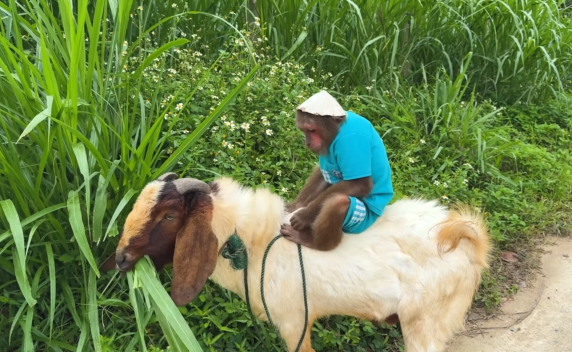
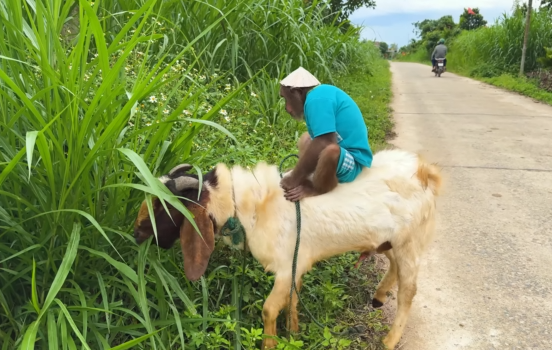
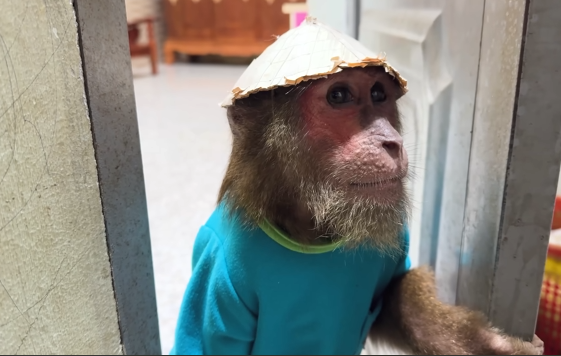
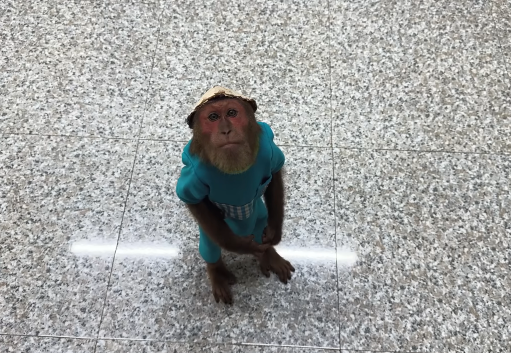
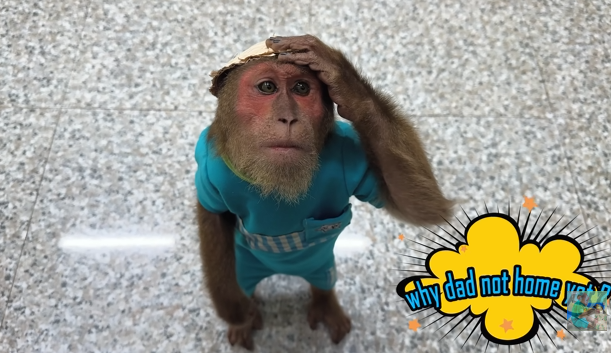
Even when observing interspecies interactions, humans sometimes mistakenly anthropomorphize. A monkey cuddling with a human caretaker, or showing “affection” toward a pet or object, may appear loving. In reality, the monkey may be seeking warmth, security, food, or companionship that fulfills practical needs. Misreading these actions as romantic or emotional love is a reflection of human interpretation, not the monkey’s reality.

That said, some behaviors among monkeys do resemble human emotion more closely than others. For example, grief at the loss of an offspring or friend can be observed in certain species. Monkeys may mourn, vocalize distress, or show withdrawal. Yet even these behaviors have survival implications: grief strengthens social cohesion, signals distress to others, or enforces learned caution in a dangerous environment. Emotional depth may exist, but it is intertwined with instinct and practicality rather than abstract notions of love.

Understanding this distinction is crucial for anyone studying or observing primates. Misinterpreting survival strategies as love can lead to unrealistic expectations or anthropomorphic conclusions. Monkeys are highly intelligent, social animals, capable of complex behavior and nuanced interactions, but their world is defined by function, not sentiment. Bonds are forged for safety, comfort, and reproductive success, not the romanticized ideas of devotion, attachment, or selfless care humans often project onto them.

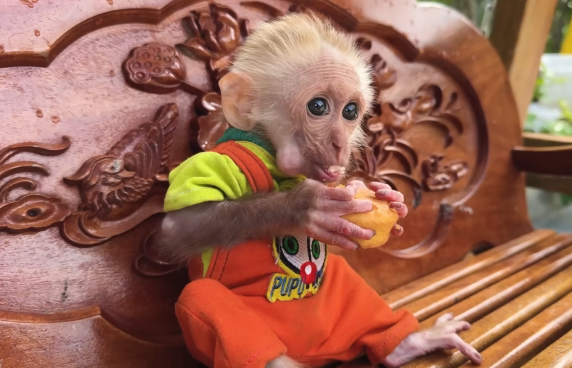
In conclusion, while monkeys exhibit behaviors that may appear affectionate, loving, or emotional to human observers, the reality of their wild society is starkly different from human social constructs. Grooming, play, mating, and parental care all serve practical purposes related to survival, social cohesion, and reproduction. Emotional attachment in the human sense is rare, if it exists at all. CUTIS, her baby companion, and countless other primates navigate a world where relationships are governed by instinct, hierarchy, and survival strategy—not by the idealized concept of love familiar to humans.

To watch a monkey troop at play is to witness an incredible display of intelligence, adaptability, and social complexity. It can be heartwarming, fascinating, and amusing. Yet, we must remember that what looks like love may simply be strategy, instinct, and practicality in motion. In the monkey’s wild society, love as humans define it is probably nonexistent. What survives instead are bonds of survival, cleverness, and instinctive care—raw, unfiltered, and utterly essential for life in the wild. And while humans might long to see love reflected in their eyes, the truth is even more remarkable: in a world governed by survival, every act of connection is a testament to intelligence, adaptability, and the unspoken rules of a society that thrives without sentiment as we know it.

Monkeys live, survive, and adapt—showing us that love, as humans perceive it, is not necessary for a functioning society. Instead, they teach us a deeper lesson: that connection, cooperation, and bonds built for mutual benefit can be just as powerful and essential as the abstract concept of love. Observing them reminds us of the beauty of life without romanticized emotions, where intelligence and survival instincts create a society every bit as complex, fascinating, and admirable as our own.

In the lush forests where sunlight filters through dense canopies, rivers weave their way across mossy banks, and leaves rustle with the whisper of the wind, monkeys thrive in a world governed by instinct, survival, and social dynamics. To the human eye, their society can appear playful, even tender at times. Yet, for humans who are used to thinking in terms of love, romance, and emotional bonds, it is crucial to understand that the way monkeys interact is rooted in a very different set of rules—a world where survival often outweighs sentiment, and where what humans call “love” might not exist at all.

Monkeys live in highly structured societies, organized in hierarchies that determine access to food, mates, and shelter. Every action, every social gesture, serves a function—be it climbing the ranks of dominance, securing a meal, or protecting offspring. Grooming, one of the most commonly observed behaviors, often seems to resemble acts of affection that humans associate with love. However, in reality, grooming is rarely an emotional indulgence; it is a complex tool for social bonding, alliance-building, and even conflict resolution. When one monkey grooms another, it is as much about maintaining trust, avoiding aggression, and strengthening social ties as it is about comfort. In human terms, it might look like affection, but in the monkey’s mind, it is strategic behavior.

For example, in many species, subordinate monkeys will groom dominant members to curry favor, gain protection, or secure access to food resources. Grooming sessions can be lengthy and meticulous, often resulting in a calm and seemingly affectionate atmosphere. Yet, the intention behind these interactions is far from romantic or sentimental. They are transactional in nature. A monkey’s “affection” is rarely unconditional; it is a calculated exchange that serves its survival and social stability.

Mate selection, another behavior often misunderstood by humans, further illustrates the difference between human love and monkey society. In the wild, monkeys do not form lifelong bonds based on emotional attachment. Mating is largely driven by reproduction and the passing on of genes. Dominant males often monopolize access to females, while females may select mates based on strength, health, and genetic advantage rather than emotional compatibility. Courtship behaviors, such as playful chasing or vocalizations, are not signs of deep love—they are displays of fitness, dominance, or fertility. Even instances where a pair appears to stay together temporarily are usually influenced by immediate benefits such as protection, social positioning, or access to resources. What humans interpret as a loving couple in the animal kingdom is often a partnership forged by necessity, not emotion.

Parental care might seem like another aspect where monkeys exhibit traits reminiscent of human love. Mothers fiercely protect their offspring, nurse them, and teach them survival skills. These behaviors, though, are driven primarily by instinct. A mother’s attachment to her infant ensures the survival of her genes; without such dedication, the newborn’s chances of survival would diminish. Some monkeys exhibit alloparenting—where relatives or other group members assist in caring for the young—but this is also strategic. Supporting a relative’s offspring can increase the helper’s indirect genetic fitness, strengthen alliances, or improve social standing within the troop. There is rarely, if ever, a purely emotional motivation.

Even friendships, alliances, and social bonds among monkeys differ fundamentally from the human understanding of love. Bonds are often formed to achieve specific goals, such as protection from predators, shared access to food, or mutual support in conflicts. Reciprocity is expected, and the bonds can dissolve if the benefits are no longer apparent. Jealousy, competition, and power struggles are constant, shaping the social landscape more than feelings of emotional devotion ever do. In human terms, the closest equivalent to “love” in a monkey society is often loyalty born of self-interest, necessity, and strategy.

Observations of playful behaviors among monkeys might lead casual onlookers to misinterpret their interactions. Play fighting, chasing, and teasing are all common, and while these activities strengthen social bonds and enhance physical fitness, they are not emotional expressions of love. Even hugging or holding hands among certain species serves more functional purposes than sentimental ones. Monkeys cling to one another for warmth, security, or comfort in stressful situations, but this is not love—it is a practical response to environmental pressures.

Dominance hierarchies play a major role in shaping behavior. A dominant male or female exerts authority over others in the troop, controlling access to resources and mates. Challenges to dominance often result in conflict, where affection is suspended and survival instincts take precedence. Human observers might find moments of reconciliation or grooming following disputes “touching” or emotionally driven, but these interactions are tactical. They are about restoring social balance, avoiding further aggression, and ensuring the stability of the troop. Emotional sentiment, as humans understand it, is rarely a factor.

Monkeys also have to deal with scarcity, danger, and competition constantly. Predation, environmental challenges, and limited resources demand that every decision is calculated. Relationships are tools, not emotional indulgences. The idea of love as an enduring, unconditional commitment—a concept central to human societies—is virtually absent. Instead, monkeys operate on practical imperatives: protect yourself, support those who provide benefit, and ensure your genes are passed on. In their world, survival is the ultimate priority, and emotional attachments are secondary, if present at all.

Even when observing interspecies interactions, humans sometimes mistakenly anthropomorphize. A monkey cuddling with a human caretaker, or showing “affection” toward a pet or object, may appear loving. In reality, the monkey may be seeking warmth, security, food, or companionship that fulfills practical needs. Misreading these actions as romantic or emotional love is a reflection of human interpretation, not the monkey’s reality.

That said, some behaviors among monkeys do resemble human emotion more closely than others. For example, grief at the loss of an offspring or friend can be observed in certain species. Monkeys may mourn, vocalize distress, or show withdrawal. Yet even these behaviors have survival implications: grief strengthens social cohesion, signals distress to others, or enforces learned caution in a dangerous environment. Emotional depth may exist, but it is intertwined with instinct and practicality rather than abstract notions of love.

Understanding this distinction is crucial for anyone studying or observing primates. Misinterpreting survival strategies as love can lead to unrealistic expectations or anthropomorphic conclusions. Monkeys are highly intelligent, social animals, capable of complex behavior and nuanced interactions, but their world is defined by function, not sentiment. Bonds are forged for safety, comfort, and reproductive success, not the romanticized ideas of devotion, attachment, or selfless care humans often project onto them.

In conclusion, while monkeys exhibit behaviors that may appear affectionate, loving, or emotional to human observers, the reality of their wild society is starkly different from human social constructs. Grooming, play, mating, and parental care all serve practical purposes related to survival, social cohesion, and reproduction. Emotional attachment in the human sense is rare, if it exists at all. CUTIS, her baby companion, and countless other primates navigate a world where relationships are governed by instinct, hierarchy, and survival strategy—not by the idealized concept of love familiar to humans.

To watch a monkey troop at play is to witness an incredible display of intelligence, adaptability, and social complexity. It can be heartwarming, fascinating, and amusing. Yet, we must remember that what looks like love may simply be strategy, instinct, and practicality in motion. In the monkey’s wild society, love as humans define it is probably nonexistent. What survives instead are bonds of survival, cleverness, and instinctive care—raw, unfiltered, and utterly essential for life in the wild. And while humans might long to see love reflected in their eyes, the truth is even more remarkable: in a world governed by survival, every act of connection is a testament to intelligence, adaptability, and the unspoken rules of a society that thrives without sentiment as we know it.

Monkeys live, survive, and adapt—showing us that love, as humans perceive it, is not necessary for a functioning society. Instead, they teach us a deeper lesson: that connection, cooperation, and bonds built for mutual benefit can be just as powerful and essential as the abstract concept of love. Observing them reminds us of the beauty of life without romanticized emotions, where intelligence and survival instincts create a society every bit as complex, fascinating, and admirable as our own.