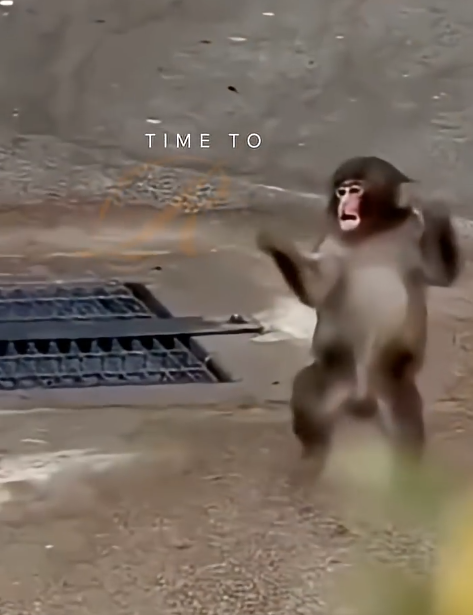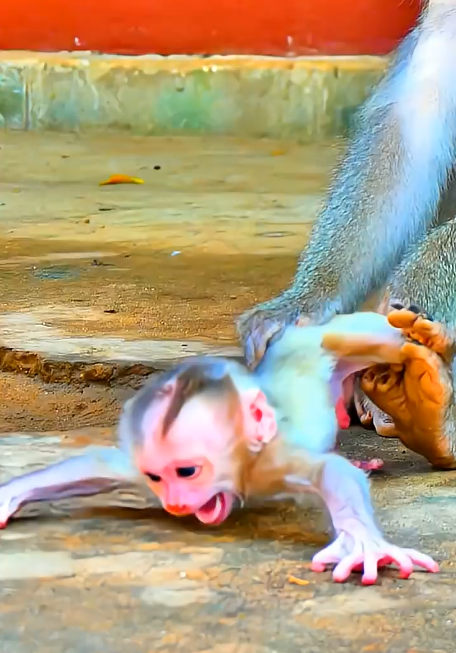
Children do not come into the world knowing how to hate, how to resent, or how to build emotional walls. They arrive soft, open, and full of trust—especially toward the one person they depend on the most: their mother. In their eyes, she is safety, comfort, and love all wrapped into one. So when that same source of love becomes distant, rejecting, or even hurtful, something deep inside them begins to change.
At first, it is confusion.
A child who is pushed away does not immediately understand rejection. They don’t think, “My mother is struggling,” or “This is not about me.” Instead, their mind turns inward.
“Did I do something wrong?”
“Why doesn’t Mommy want me?”
When a mother raises her voice, ignores their cries, or worse—hits them—the child’s world shifts in a way they cannot fully explain. The place that once felt safe begins to feel uncertain. And in that uncertainty, a painful seed is planted.
Resentment.
It does not appear all at once. It grows quietly.
At first, the child may try harder. They may become more obedient, more careful, more eager to please. They watch their mother closely, trying to predict her moods, trying to avoid doing anything that might trigger anger or rejection.
“Look, Mommy, I cleaned up my toys,” they might say, hoping for a smile.
But when that smile doesn’t come—or worse, when their effort is met with indifference or irritation—the confusion deepens.
Over time, the child begins to feel something heavier.
Not just sadness.
But hurt that lingers.
And that hurt slowly turns into resentment.
Resentment in a child is not loud or obvious at first. It doesn’t always look like anger or rebellion. Sometimes, it looks like silence. Like distance. Like a quiet pulling away.
They may stop trying as hard.
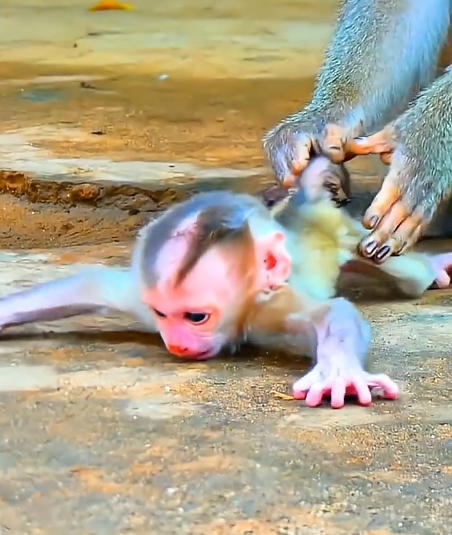
Stop sharing their thoughts.
Stop reaching out.
Because each time they were rejected or hurt, it taught them something:
“It’s not safe to get too close.”
And yet, even as resentment grows, love doesn’t disappear.
That is what makes it so painful.
A child can feel both at the same time—love and resentment, longing and fear, hope and disappointment. They may still run to their mother when they are scared, still seek her comfort, still crave her approval… but underneath it all, something is broken.
When a mother hits her child, the impact is not just physical.
It is emotional.
It sends a message far deeper than any bruise:
“The person you trust can hurt you.”
And that message stays.
It lingers in the child’s mind, shaping the way they see relationships, shaping the way they see themselves.
Some children react outwardly.
They become defiant, angry, quick to lash out. They may shout, argue, or act in ways that seem “difficult” or “disobedient.” But beneath that behavior is not just rebellion—it is pain. Pain that has nowhere else to go.
Other children turn inward.
They become quiet, withdrawn, overly cautious. They may seem “easy” or “well-behaved,” but inside, they are carrying a weight that no child should have to bear. They learn to suppress their feelings, to hide their needs, to accept less than they deserve.
In both cases, resentment grows.
Not because the child wants to feel that way—but because they don’t know how else to process what they’ve experienced.
It is important to understand that resentment in a child is not a sign of disrespect.
It is a response to hurt.
A natural, human reaction to feeling unloved, unsafe, or rejected.
And yet, many children never express it openly.
They carry it quietly, letting it shape their inner world.
As they grow older, that resentment can take different forms.
It might show up as emotional distance, an inability to trust, or difficulty forming close relationships. It might appear as anger, low self-esteem, or a constant need for validation. In some cases, it becomes a cycle—patterns learned in childhood repeated in adulthood.
But it doesn’t have to stay that way.
Because just as resentment can grow, so can healing.
The first step is awareness.
For a mother to recognize the impact of her actions—not with guilt or self-hatred, but with honesty and responsibility. Parenting is not easy, and no one is perfect. There are moments of frustration, exhaustion, and overwhelm. But how those moments are handled matters deeply.
A child does not need a perfect mother.
They need a present one.
A mother who tries.
A mother who listens.
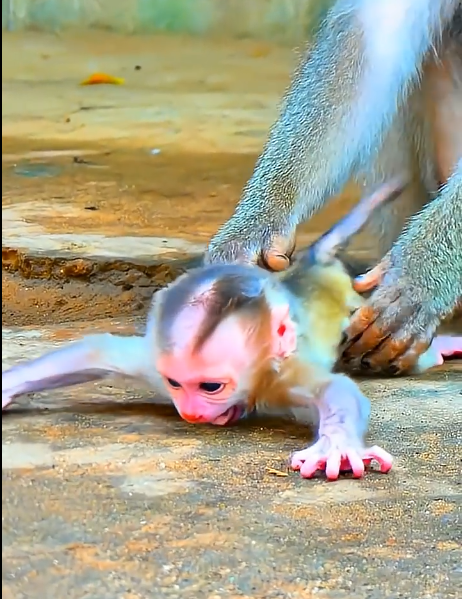
A mother who is willing to say, “I’m sorry.”
Those words can be powerful.
More powerful than many people realize.
When a mother acknowledges her mistakes, when she takes responsibility for her actions, she teaches her child something important:
“You matter. Your feelings matter.”
And that can begin to soften the resentment.
Rebuilding trust takes time.
It takes patience.
It takes consistent effort.
But children are incredibly resilient. Their hearts, though easily hurt, are also capable of deep forgiveness—especially when they feel seen, heard, and loved.
For the child, healing may come slowly.
It may involve learning that their worth is not defined by how they were treated. That they deserve kindness, respect, and care. That love should not hurt.
And for the mother, it may involve learning new ways to cope, new ways to communicate, new ways to connect.
Because at the core of it all, both are human.
Both are learning.
Both are capable of change.
Resentment may begin as a response to pain, but it does not have to be the ending.
With understanding, compassion, and effort, it can be transformed into something else—something softer, something lighter.
Not forgetting.
Not pretending it never happened.
But healing.
Because every child deserves to feel safe in their mother’s arms.
And every mother, no matter her past or her struggles, has the chance to become that safe place again.