Flexibility and mobility are often used interchangeably, but they are not the same thing. Flexibility refers to how far a muscle can stretch, while mobility is about how well you can actively control that range of motion. In simple terms, flexibility is passive, and mobility is active.
If you want a body that moves freely, feels strong, and resists injury, you need both.
Many people focus only on stretching, trying to touch their toes or achieve splits, but without strength and control, that flexibility has limits. True movement quality comes when flexibility and mobility work together.
The good news is that both can be improved with consistent practice.
The journey begins with understanding your body.
Tight hips, stiff hamstrings, restricted shoulders—these are common issues, especially for people who sit for long periods or don’t move regularly. Over time, limited movement patterns lead to stiffness, discomfort, and even pain.
That’s where mobility and stretching come in.
They help restore balance.
They improve posture.
They allow your body to move the way it was designed to move.
A proper routine should always begin with a warm-up. Cold muscles are less responsive and more prone to injury. A few minutes of light cardio, such as walking or jogging in place, is enough to increase blood flow and prepare your body.
Once you’re warmed up, start with dynamic mobility exercises.
One of the most effective movements is the Leg Swing. This simple motion helps open up the hips and improve coordination. Stand tall, hold onto something for balance, and swing one leg forward and backward in a controlled manner. Then switch to side-to-side swings to target the inner and outer hips.
The key is control—not speed.
Dynamic movements like this prepare your joints for deeper stretches while maintaining muscle engagement.
Next, move into a Hip Flexor Stretch. Tight hip flexors are extremely common, especially if you spend a lot of time sitting. Step into a lunge position, lower your hips, and feel the stretch in the front of your back leg.
Keep your chest upright and your core engaged.
This stretch helps improve posture and allows for better movement in exercises like squats and running.
Another essential movement is the Hamstring Stretch. Tight hamstrings can limit your ability to bend, lift, and move efficiently. Sit with one leg extended and reach toward your toes, or perform a standing version if that feels more comfortable.
Avoid rounding your back.
Instead, hinge at the hips and focus on lengthening the muscle.
Now let’s talk about mobility with control.
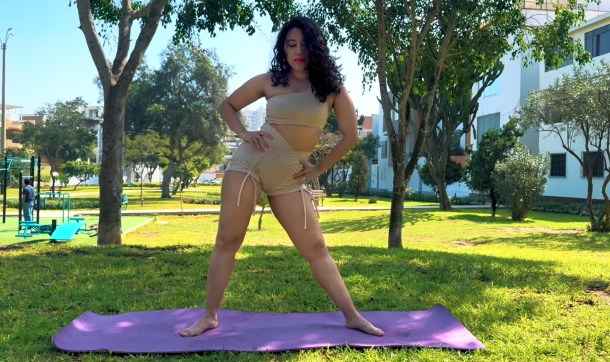
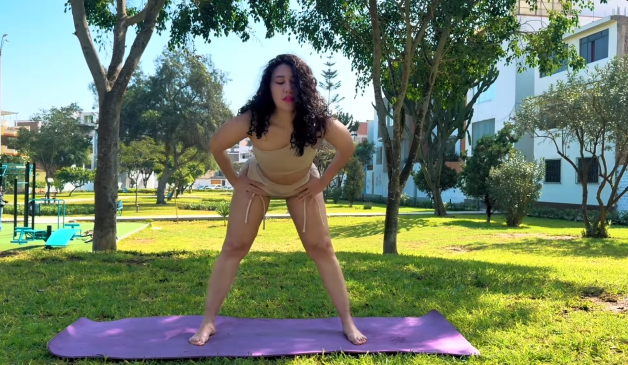
The Deep Squat Hold is one of the best exercises for overall lower-body mobility. Lower yourself into a deep squat position, keeping your heels on the ground and your chest upright.
At first, this position might feel uncomfortable.
That’s normal.
Use your elbows to gently push your knees outward, creating space in your hips. Hold the position and breathe deeply.
This movement improves ankle, knee, and hip mobility all at once.
It’s simple—but powerful.
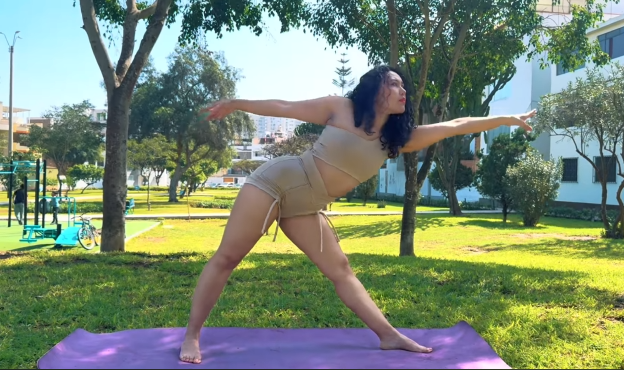
From here, transition into the Lunge with Rotation. Step forward into a lunge, then rotate your torso toward your front leg. This adds a spinal component to your lower-body movement, improving coordination and total-body mobility.
Mobility isn’t isolated.
Everything in your body is connected.
That’s why combining movements is so effective.
For inner thigh flexibility, try the Butterfly Stretch. Sit with the soles of your feet together and gently press your knees toward the ground. This opens up the hips and improves range of motion for movements like squats and splits.
Don’t force your knees down.
Let gravity and time do the work.
Another important area is the glutes.
The Figure Four Stretch targets this region effectively. Lie on your back, cross one ankle over the opposite knee, and pull your legs toward your chest.
This stretch not only improves flexibility but also relieves tension in the lower back.
Now, let’s bring in active flexibility.
This is where mobility truly develops.
Instead of just holding a stretch, you actively move within your range. For example, controlled leg raises or slow kicks help build strength in extended positions.
This teaches your body to use its flexibility, not just have it.
Consistency is the most important factor.
You don’t need to spend hours stretching every day. Even 10–20 minutes of focused mobility work can make a significant difference over time.
The key is regular practice.
Do a little every day.
Listen to your body.
Progress gradually.
It’s also important to understand that flexibility takes time. You won’t become fully mobile overnight. Some days will feel better than others, and that’s part of the process.
Avoid comparing yourself to others.
Your body is unique.
Your progress is your own.
Breathing plays a huge role as well.
When you hold your breath, your muscles tighten. When you breathe deeply, your body relaxes, allowing you to move further and more comfortably into each stretch.
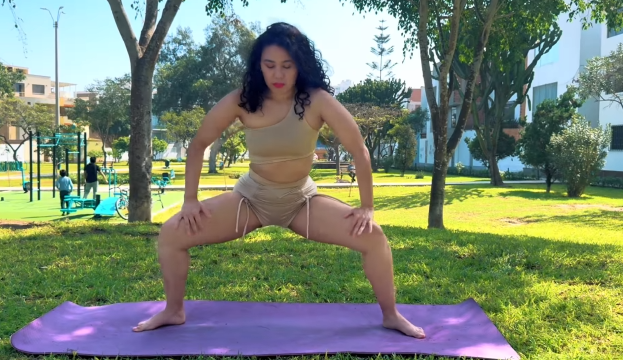
Think of breathing as part of the movement.
Inhale to prepare.
Exhale to deepen.
Over time, you’ll notice changes.
Movements that once felt stiff will become smoother.
Positions that felt impossible will become achievable.
Your posture will improve.
Your body will feel lighter and more capable.
And perhaps most importantly, you’ll reduce your risk of injury.
Because a mobile body is a resilient body.
Mobility and flexibility are not just for athletes or dancers.
They are for everyone.
They improve how you sit, stand, walk, and move through daily life.
They enhance performance, reduce discomfort, and support long-term health.
So whether you’re just starting or looking to improve your current routine, remember this:
Move often.
Stretch gently.
Build control.
And stay consistent.
Because flexibility gives you range.
Mobility gives you strength within that range.
And together, they give you freedom of movement—something your body will thank you for every single day.