There’s something mesmerizing about the split.
It’s one of the most iconic displays of flexibility—simple in appearance, yet incredibly demanding in practice. For many, achieving a full split is already a major milestone. But beyond that lies another level entirely: the oversplit.
And when you add a yoga block into the mix, everything changes.
The oversplit isn’t just about reaching the floor—it’s about going beyond it. Elevating one leg on a yoga block forces your body deeper into the stretch, challenging your flexibility, control, and mental focus all at once. It’s where gymnastics, fitness, and contortion begin to overlap.
I didn’t start here.
Like most people, I began with tight hamstrings, stiff hips, and a lot of frustration. The idea of even sitting comfortably in a split felt far away, let alone pushing beyond it. But curiosity—and a desire to improve—kept pulling me forward.
The journey started with the basics.
Regular stretching, simple lunges, forward folds, and patience. Lots of patience. Progress was slow, sometimes almost invisible. There were days when my body felt open and cooperative, and others when everything felt tight again, like I had taken a step backward.
But consistency changed everything.
Over time, my body began to adapt. My hips opened more easily, my hamstrings loosened, and my split gradually got closer to the floor. The first time I reached a full split, it felt like a victory—a moment of proof that persistence works.
But then came the next question:
What’s beyond this?
That’s when I discovered oversplits.
At first, it looked intimidating. Placing my front foot on a yoga block and sliding into a split felt like stepping into unknown territory. The elevation changes the angle of the stretch completely, placing more intensity on the hamstrings and hip flexors.
It’s not just deeper—it’s different.
The first attempt was… humbling.
I placed the block under my front foot, carefully slid into position, and immediately felt the difference. My body resisted. The stretch was sharper, more demanding. I didn’t go far. In fact, I stopped much higher than my regular split.
And that was okay.
Because oversplits aren’t about forcing your body beyond its limits. They’re about gradually expanding those limits over time.
I started slowly.
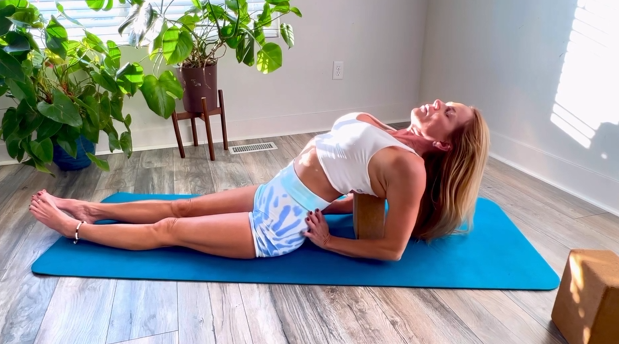
Holding the position for just a few seconds, focusing on breathing, and making sure I stayed aligned. It’s easy to twist or compensate when the stretch gets intense, but proper form is everything. Hips squared, legs engaged, and movements controlled.
With each session, I became more comfortable.
Not necessarily more flexible right away—but more familiar with the sensation. My body started to understand what was being asked of it. And little by little, I began to go deeper.
That’s when the connection between gymnastics, fitness, and contortion became clear.
Gymnastics emphasizes strength and control. It’s not enough to be flexible—you need to support your body in those positions. Fitness adds endurance and consistency, building the foundation that allows progress to happen safely. And contortion? That’s where flexibility reaches its extreme, pushing the boundaries of what the human body can do.
Oversplits sit right at the intersection of all three.
They require strength to hold, flexibility to achieve, and mental focus to sustain.
One of the biggest lessons I learned was the importance of active flexibility.
It’s one thing to drop into a stretch and let gravity do the work. It’s another to engage your muscles while holding the position. In an oversplit, this means activating your legs, lifting slightly out of the stretch, and controlling your descent.
That control builds strength—and strength protects your body.
Without it, flexibility can become unstable, increasing the risk of injury.
Another key element is patience.
There’s no shortcut to oversplits. Trying to rush the process can lead to strain or setbacks. Instead, progress comes from consistent practice, listening to your body, and respecting its limits.
Some days, you’ll go deeper.
Other days, you won’t.
And that’s part of the journey.
Using a yoga block also adds versatility to training. You can adjust the height depending on your level, starting low and gradually increasing as your flexibility improves. Even a small elevation can make a big difference.
It’s not about how high the block is.
It’s about how well you control the stretch.
As I continued practicing, I noticed changes beyond just flexibility.
My posture improved. My movements felt more fluid. Even outside of training, my body felt more open and balanced. The benefits extended into everything I did.
And mentally, I became stronger too.
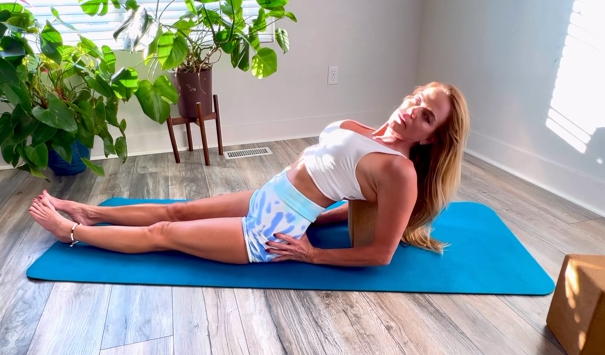
Holding an oversplit requires focus. It challenges you to stay calm in discomfort, to breathe through intensity, and to trust your body. That mental discipline carries over into other areas of life.
It teaches resilience.
Of course, safety is always important.
Warming up properly is essential before attempting oversplits. Cold muscles are more prone to injury, so taking time to prepare your body makes a huge difference. Gentle stretches, light movement, and gradual progression help create a safe environment for deeper work.
And listening to your body is key.
There’s a difference between a deep stretch and pain. Learning to recognize that difference protects you and allows for long-term progress.
Looking back, the journey from basic stretching to oversplits on a yoga block has been both challenging and rewarding.
It’s not just about achieving a certain position.
It’s about growth.
It’s about discovering what your body is capable of when you give it time, care, and consistency. It’s about pushing boundaries—but doing so with awareness and respect.
Oversplits may look impressive, but behind them is a process built on dedication and patience.
So whether you’re just starting your flexibility journey or already working toward advanced goals, remember this:
Every level matters.
Every stretch counts.
And every small improvement brings you closer to something greater.
The split is just the beginning.
Beyond it lies a whole world of movement—where gymnastics, fitness, and contortion come together.
And it all starts with a single stretch.