When it comes to building a strong, pain-free upper body, shoulder mobility is often overlooked. Yet, the shoulders are one of the most complex and frequently used joints in the human body. Whether you’re lifting weights, practicing yoga, working at a desk, or simply going about your daily routine, your shoulders play a critical role. That’s why this “Shoulder Mobility Series” begins with a simple but highly effective exercise: arm circles.
Day 1 is all about reconnecting with your shoulders, waking up the muscles, and gently improving your range of motion. Arm circles may seem basic, but when performed with awareness and control, they can create noticeable improvements in flexibility, stability, and overall shoulder health.
Why Shoulder Mobility Matters
Before diving into the movement, it’s important to understand why shoulder mobility is so essential. The shoulder joint is a ball-and-socket joint, which allows for a wide range of motion. However, this flexibility also makes it vulnerable to stiffness, weakness, and injury—especially if you spend long hours sitting or using devices.
Poor shoulder mobility can lead to:
- Neck and upper back tension
- Reduced performance in workouts
- Increased risk of injury
- Poor posture
By incorporating simple exercises like arm circles into your routine, you can gradually restore natural movement and reduce discomfort.
The Simplicity of Arm Circles

Arm circles are exactly what they sound like—controlled circular movements of the arms. But don’t let the simplicity fool you. When done correctly, they activate multiple muscle groups including the deltoids, rotator cuff, trapezius, and even the muscles of the upper back.
This exercise helps to:
- Increase blood flow to the shoulder joint
- Improve joint lubrication
- Enhance coordination and control
- Gently stretch tight muscles
Think of arm circles as a way to “wake up” your shoulders before progressing into more advanced movements in the series.
How to Perform Arm Circles
Let’s break it down step by step to ensure you’re getting the most benefit from this foundational movement.
1. Starting Position
Stand tall with your feet hip-width apart. Keep your spine neutral and your core gently engaged. Extend your arms straight out to your sides at shoulder height, forming a “T” shape.
2. Small Circles First
Begin by making small circles with your arms. Move slowly and with control. Focus on keeping your shoulders relaxed and avoiding any shrugging.
3. Gradually Increase the Size
After about 10–15 seconds, gradually increase the size of the circles. Continue to breathe steadily and maintain good posture.
4. Reverse the Direction
After 20–30 seconds, switch directions. If you were circling forward, now circle backward. This helps balance the muscles around the joint.
5. Repeat for 2–3 Sets
Perform 2–3 rounds, resting briefly between each set.
Key Tips for Better Results
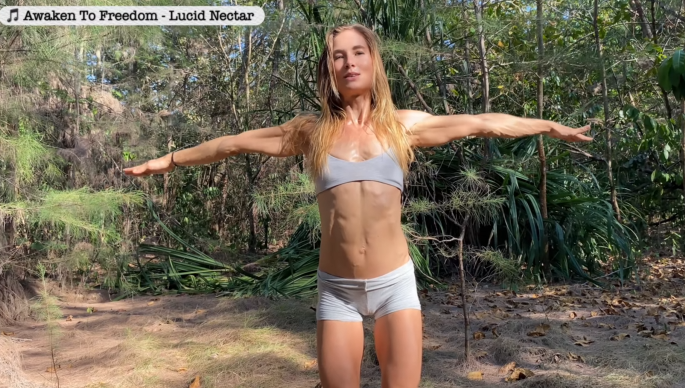
To get the most out of your arm circles, keep these tips in mind:
- Slow and controlled is better than fast and sloppy.
- Keep your shoulders down and away from your ears.
- Engage your core to avoid arching your lower back.
- Focus on smooth, even breathing.
Quality always beats quantity. Even a short session done properly can be more effective than rushing through multiple repetitions.
Common Mistakes to Avoid
Even with a simple exercise like this, there are a few common mistakes that can reduce effectiveness or cause discomfort:
- Using momentum instead of control
Swinging your arms quickly may feel easier, but it reduces muscle engagement. - Shrugging the shoulders
This can create unnecessary tension in the neck. - Overarching the back
Keep your core engaged to maintain a stable posture. - Skipping the reverse direction
Both directions are important for balanced mobility.
Being mindful of these mistakes will help you build a strong foundation for the rest of the series.
How It Should Feel
Arm circles should feel smooth and controlled—not painful. You may notice mild fatigue in your shoulders, especially if they’re not used to regular movement. That’s completely normal.
You might also feel:
- A gentle stretch across the chest and shoulders
- Warmth building in the joint
- Increased awareness of posture
If you feel sharp pain or discomfort, reduce the size of your circles or take a break.
Integrating Into Your Routine

One of the best things about arm circles is how easy they are to incorporate into your day. You can do them:
- As part of your morning routine
- Before a workout as a warm-up
- During a break from sitting
- After a long day to release tension
Consistency is key. Even just a few minutes each day can lead to noticeable improvements over time.
The Bigger Picture
This is just Day 1 of your shoulder mobility journey. While arm circles may seem basic, they lay the groundwork for more advanced exercises to come. Think of this as building awareness and control—two essential elements for long-term progress.
As you continue through the series, you’ll begin to notice:
- Improved range of motion
- Better posture
- Reduced stiffness
- Increased confidence in movement
Mobility isn’t about forcing your body into extreme positions. It’s about creating freedom and ease in your natural movements.
Final Thoughts
Arm circles are a reminder that sometimes the simplest movements can be the most powerful. By slowing down, focusing on control, and paying attention to your body, you’re setting the stage for healthier, stronger shoulders.
Day 1 is all about starting where you are. No pressure, no perfection—just movement.
Take a deep breath, extend your arms, and begin your circles. This small step marks the beginning of a stronger, more mobile you.