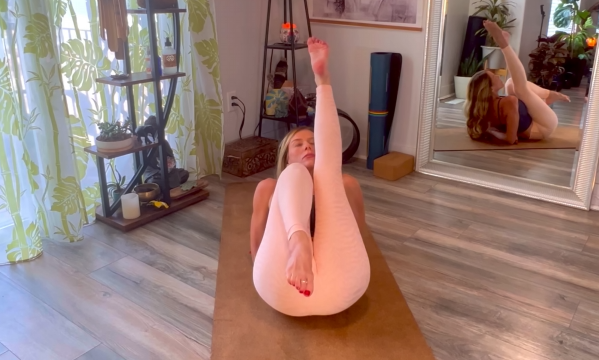
Flexibility is not just a physical skill—it’s a journey of patience, discipline, and self-awareness. When it comes to leg flexibility, mastering splits and oversplits stands as one of the most rewarding yet demanding goals. This workout is designed to guide you through an effective stretching routine inspired by yoga and contortion training, helping you safely progress toward deeper flexibility while building strength and control.
Before diving into deep stretches, preparation is essential. Your muscles need to be warm and ready to extend, so never skip your warm-up. Begin with 5 to 10 minutes of light cardio—this could be jogging in place, skipping rope, or even dancing to your favorite music. The goal is to increase your heart rate and get blood flowing into your muscles. Once you feel warm, move into dynamic stretches such as leg swings, hip circles, and gentle lunges. These movements help activate your muscles and prepare your joints for deeper work.
Once warmed up, transition into foundational yoga stretches. Start with a standing forward fold. Stand tall, take a deep breath in, and as you exhale, slowly hinge at your hips and fold forward. Let your upper body hang heavy while reaching toward your feet. If your hamstrings feel tight, keep a slight bend in your knees. This stretch targets the back of your legs and helps release tension in your lower back. Hold this position for 30–60 seconds, breathing deeply and allowing gravity to assist your stretch.
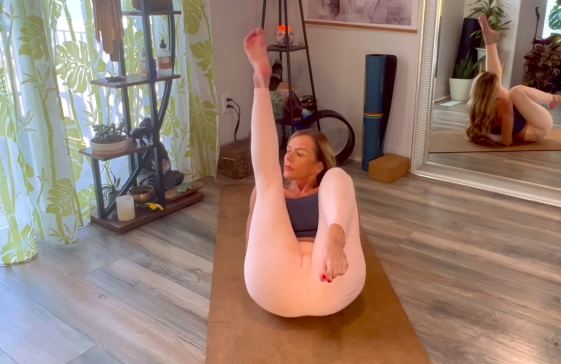
Next, step into a low lunge. Place one foot forward and extend the other leg back, lowering your hips toward the floor. Keep your chest lifted and your core engaged. This position stretches the hip flexors, which are often tight due to long hours of sitting. To deepen the stretch, gently press your hips forward while maintaining balance. Hold for about 30 seconds on each side.
From the low lunge, shift into a half split. Slowly move your hips backward while straightening your front leg. Flex your foot and lean forward slightly over your leg, keeping your spine long. This stretch focuses on the hamstrings, a key muscle group for achieving splits. Hold for 30–60 seconds and repeat on both sides.
Now comes the core of the workout: working toward your full splits. Carefully slide your front foot forward and your back leg backward, using your hands for support. Go slowly and stop when you feel a deep but manageable stretch. It’s important to keep your hips square and avoid collapsing into one side. Hold your split for 20–30 seconds while breathing steadily. Over time, your body will adapt, and you’ll find yourself going deeper with less resistance.
Consistency is the secret to progress. Practicing these stretches daily—even for just 15–20 minutes—can lead to noticeable improvements over weeks and months. Flexibility is built gradually, not forced in a single session.
Once you can comfortably reach a flat split, you may begin exploring oversplits. This is where contortion training comes into play. Oversplits push your flexibility beyond 180 degrees, requiring both increased range of motion and muscular strength. Start by placing a small support—like a yoga block or cushion—under your front foot while in a split. This elevation increases the stretch slightly. Hold for a short duration, focusing on maintaining proper alignment.
As your flexibility improves, you can gradually increase the height of the support. Advanced practitioners may use supports under both legs, but this should only be attempted once your body is fully prepared. Never rush into oversplits, as pushing too far too soon can lead to serious injury.
An often overlooked aspect of flexibility training is active stretching. Instead of simply relaxing into a stretch, try engaging your muscles. For example, in a split position, gently press your legs into the ground as if trying to lift yourself slightly. This builds strength within the stretched muscles, making your flexibility more stable and functional. Active flexibility is what allows dancers and contortionists to move gracefully and safely in extreme positions.
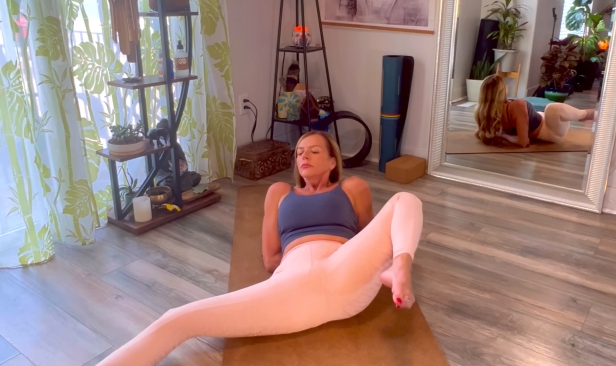
Breathing is another powerful tool in your flexibility journey. Deep, controlled breathing helps calm your nervous system and signals your muscles to relax. Inhale slowly through your nose, and exhale through your mouth. With each exhale, try to sink a little deeper into your stretch without forcing it. This mindful approach not only improves flexibility but also enhances your overall connection with your body.
Recovery is just as important as the workout itself. After an intense stretching session, your muscles need time to repair and grow more flexible. Stay hydrated, eat nourishing foods, and consider light activities like walking or gentle yoga on rest days. If you experience soreness, a warm bath or foam rolling can help relieve tension.
It’s important to remember that every body is different. Some people may achieve splits quickly, while others take longer. Factors like genetics, age, and activity level all play a role. Avoid comparing your progress to others. Instead, focus on your own journey and celebrate each small improvement.
To keep your routine interesting, incorporate a variety of stretches such as butterfly stretch, frog pose, and straddle stretches. These target different areas of your hips and inner thighs, supporting overall leg flexibility. The more balanced your flexibility, the easier it becomes to achieve clean and controlled splits.
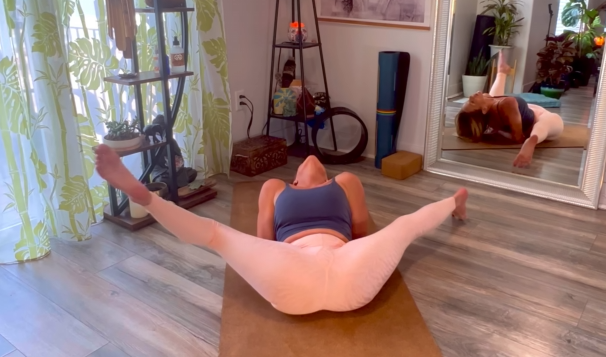
Mental strength is a huge part of this challenge. Stretching deeply can be uncomfortable, and it requires focus to stay present and relaxed. Treat each session as a form of meditation—an opportunity to challenge yourself while staying mindful and patient.
Safety should always come first. There’s a fine line between discomfort and pain. A deep stretch may feel intense, but it should never feel sharp or unbearable. If you experience pain, ease out of the stretch immediately and adjust your approach.
In conclusion, the path to mastering splits and oversplits is a rewarding blend of flexibility, strength, and dedication. By combining yoga techniques with contortion-inspired training, you can safely push your limits and achieve impressive results. Stay consistent, listen to your body, and embrace the process. Progress may be slow, but every step forward brings you closer to your goal.
Keep stretching, keep breathing, and enjoy the journey to becoming stronger, more flexible, and more in control of your body.