It was an ordinary evening walk—the kind of walk I take to clear my mind after a long day. The sun was dipping low in the sky, painting the world in warm shades of gold and orange. Birds sang softly in the trees, and a gentle breeze carried the scent of flowers from nearby gardens. It was peaceful, almost magical, and I felt completely absorbed in the quiet rhythm of my steps.
Then I heard it: a soft, high-pitched whimper coming from the edge of the path.
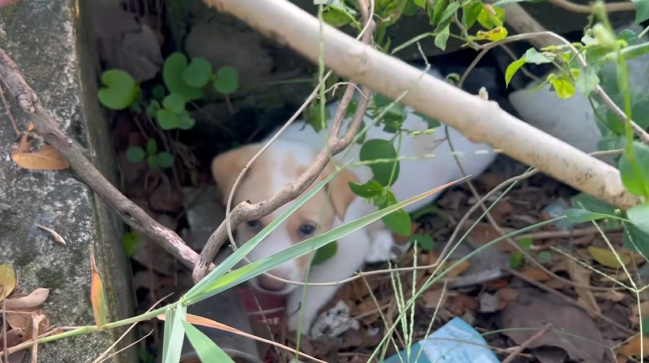
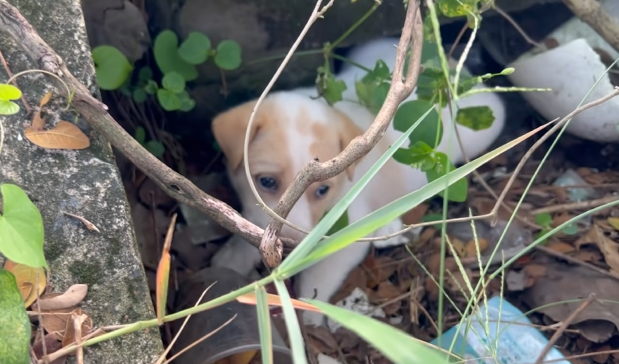
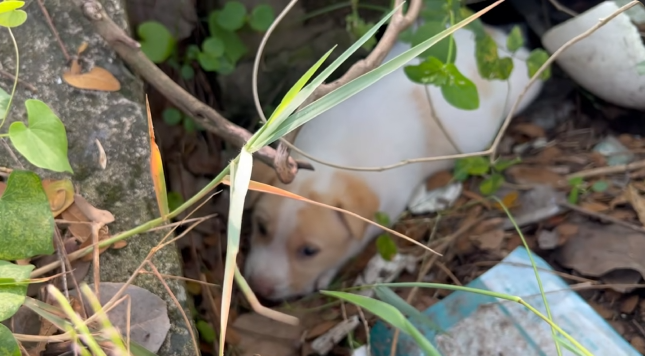
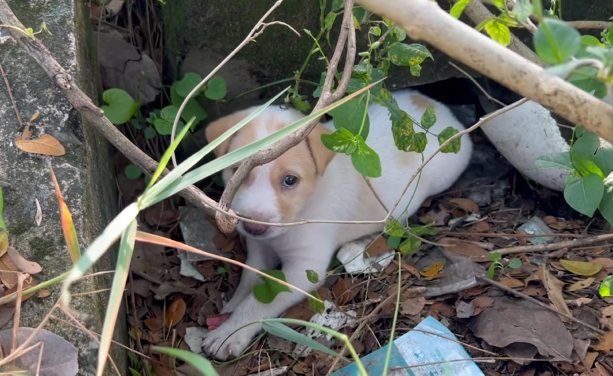
At first, I thought it was a small animal caught in the brush. But as I approached the sound, my eyes caught movement—a tiny puppy, curled up near a cluster of bushes. He looked scared, tired, and confused. His fur was matted and dirty, his little body trembling as he tried to stay hidden.
I stopped in my tracks. My heart immediately went out to him. Something about the way he looked at me—eyes wide, ears slightly back, tail tucked under—made it clear he needed help. He was lost.
I crouched down slowly, speaking in a gentle voice. “Hey there… it’s okay. I’m not going to hurt you.”
The puppy didn’t move at first. He just stared at me, unsure if he could trust this stranger. But the whimpering grew louder, softer than a bark, almost pleading. I reached into my bag and pulled out a small piece of bread I had tucked away for later.
He sniffed it cautiously. Hunger outweighed fear. He inched closer, taking the bread in tiny, careful bites. I could see the tension in his body begin to ease, just slightly, as if he had decided—maybe—this person could help him.
That was the moment I knew I couldn’t leave him there.
Bringing Him Home
Carefully, I picked him up. He was surprisingly light, barely more than a few pounds, and he rested quietly against me. At first, he was tense, clearly used to defending himself, but as I held him, he gradually relaxed.
The walk home was quiet. I could feel him trembling occasionally, but he didn’t try to wriggle free. It was as if he understood—somehow—that this was the beginning of a new chapter in his life.
Once home, I set up a small corner with a soft blanket and some water. I placed a small bowl of food nearby and watched as he hesitated, then cautiously approached. He ate slowly, taking tiny bites, still looking up at me every so often as if checking to make sure I wasn’t going anywhere.
That night, he slept curled up on the blanket, exhausted but safe for the first time in who knows how long.
First Signs of Trust
The next morning, I woke to find him still curled up where I had left him. He had shifted slightly, but he hadn’t wandered off or tried to escape. That simple act—staying in one place, trusting me enough to sleep—was a huge step.
Over the following days, he began to explore the house. Everything was new: the floors, the furniture, the smells. But he approached it all carefully, sniffing, watching, learning. And everywhere he went, he seemed to carry a quiet curiosity, as if he wanted to understand this new world he was in.
It didn’t take long to see that he was incredibly smart. He quickly learned where his food and water were, how to navigate the apartment without getting into trouble, and even simple commands like “sit” and “come.” He had a sharpness about him, a kind of intelligence that made me realize he had not only survived but learned to adapt to the world in ways most people wouldn’t notice.
His Personality Shines
Within a week, his personality began to emerge. He was playful, affectionate, and surprisingly brave. He loved to chase small toys across the floor, bark softly at the sounds outside the window, and snuggle close when he felt safe.
The most remarkable thing was his trust. It had taken just a short time, but he began following me around, staying close, and even seeking attention. Every tail wag, every nuzzle, was a small affirmation that he was starting to feel at home.
Despite his traumatic past—being lost and alone in the world—he had an incredible resilience. He didn’t seem bitter or scared. Instead, he approached life with cautious optimism, and it was impossible not to feel inspired by that.
A Trip to the Vet
Of course, one of the first things I did was take him to the vet. He was examined carefully, and it was clear that he had been neglected for some time. He was underweight, and his coat needed attention, but otherwise, he was healthy.
The vet gave him a thorough check-up, some necessary vaccinations, and advice on nutrition and care. I followed everything to the letter, determined to give him the life he deserved—a life full of love, security, and health.
By the end of the week, he had already gained a little weight. His fur was starting to shine again, and his little body, though small, seemed stronger. Each small improvement was a reminder of how much a little care and attention could change a life.
Bonding and Routine
As the days passed, our bond grew stronger. We established routines: walks in the morning, playtime in the afternoon, and quiet evenings together. He began to recognize the rhythm of the household and adapted beautifully.
He had little quirks that made him even more endearing. He would nudge my hand when he wanted attention, tilt his head in curiosity when I spoke, and even seem to understand when I was feeling sad or tired. It was like he had developed an intuitive sense of connection—something only animals can do so perfectly.
Every wag of his tail, every playful leap, every sleepy cuddle reinforced that we had both changed each other’s lives. I had given him safety, food, and a home—but he had given me companionship, joy, and unconditional love.
Socialization and Learning
Over time, I introduced him to new experiences: short trips outside, meeting other friendly dogs, and learning to walk calmly on a leash. Each adventure built his confidence and helped him understand the world in a positive way.
It was incredible to see how quickly he adapted. From a scared, lost puppy, he became confident, playful, and affectionate with everyone he met. His intelligence shone through in every little action—solving problems, learning quickly, and showing curiosity about his surroundings.
Even simple things, like figuring out where to jump onto the couch or how to nudge open a slightly ajar door, showed just how clever he was. Every little discovery seemed to fill him with pride, and I couldn’t help but smile at his achievements.
A Heartwarming Transformation
Looking back, it’s hard to believe how far he came in such a short time. From a lost, starving puppy wandering alone in a park, he transformed into a happy, healthy, and loving companion. He had gone from fear and uncertainty to trust, comfort, and joy.
The transformation wasn’t just physical—it was emotional. He had learned to love again, to feel safe, and to connect with someone. And in turn, I had learned about patience, empathy, and the incredible bond between humans and dogs.
Every time I look at him now, I see more than just a pet. I see resilience, hope, and the power of kindness. I see a life changed forever—not just for him, but for me as well.
Final Thoughts
Rescuing a lost puppy isn’t just about saving a life—it’s about building a connection, offering trust, and creating a safe space where love can grow. That tiny, frightened puppy I found in the park now has a home, food, play, and affection. He’s thriving, happy, and full of personality.
And the best part? Every day with him is heartwarming. Every tail wag, every excited bark, every little nuzzle is a reminder that a single act of kindness can transform a life completely.
Sometimes, the most ordinary walks can lead to the most extraordinary encounters. Sometimes, a simple act of noticing—a moment of compassion—can change everything.
That day in the park, when I found a lost puppy trembling and scared, I didn’t just rescue him. He rescued something in me too—the reminder of how powerful love, patience, and care can be.
Now, whenever we walk together, I see him thriving in ways I never imagined. And I know that our story—a story of a lost puppy, a second chance, and a heartwarming rescue—will stay with me forever.