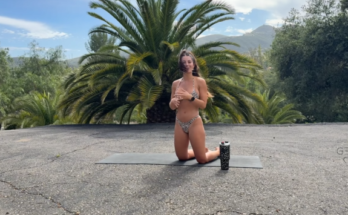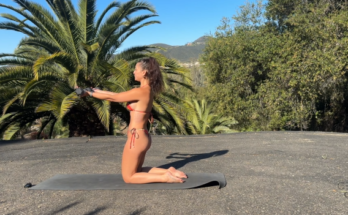

Short on time but still want to feel strong, energized, and in control of your body? This 5-minute lower body and core bodyweight workout is designed to give you maximum impact in minimal time. With just a few focused exercises, you can activate your glutes, thighs, and core while improving balance, stability, and overall strength—no equipment required.
This routine is perfect as a quick morning energizer, a workout finisher, or a midday movement break. Even five minutes of intentional exercise can boost circulation, wake up your muscles, and support long-term fitness goals when done consistently.
Why This Workout Matters
Your lower body and core are the foundation of almost every movement you make. From walking and standing to lifting and bending, these muscle groups play a key role in your daily life.
Strengthening your lower body helps improve posture, protect your joints, and build power. Meanwhile, a strong core supports your spine, enhances balance, and reduces the risk of injury. Together, they create a stable, functional body that moves efficiently.
This quick routine focuses on functional movements—exercises that mimic natural motions—so you’re not just training muscles, but also improving how your body works as a whole.
How to Use This Workout
This workout is designed as a continuous circuit. Move from one exercise to the next with minimal rest to keep your heart rate up and maximize efficiency.
Each movement should be performed with control and proper form. Focus on engaging your core throughout the entire workout. Even though it’s short, the intensity comes from your effort and attention.
The Workout
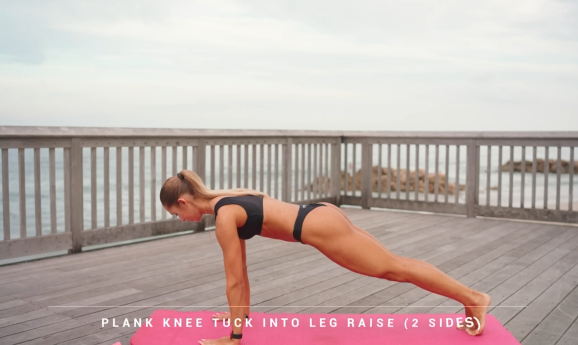
1. Bodyweight Squats
Start with your feet shoulder-width apart, toes slightly turned out. Lower your hips back and down as if sitting in a chair, keeping your chest lifted and your knees tracking over your toes. Press through your heels to stand back up.
Squats are one of the most effective lower body exercises, targeting your glutes, quads, and hamstrings. They also activate your core to maintain balance and posture.
Move at a steady pace, focusing on depth and control rather than speed. Imagine sitting down slowly and standing up with purpose.
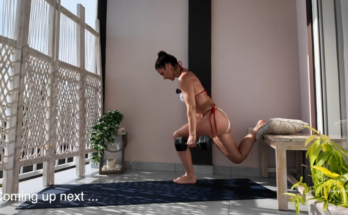
2. Alternating Reverse Lunges
From a standing position, step one foot back into a lunge, lowering your back knee toward the ground. Push through your front heel to return to standing, then switch legs.
Reverse lunges are excellent for building strength and improving balance. Because you’re stepping backward, they also reduce stress on the knees compared to forward lunges.
Keep your upper body upright and your core engaged throughout the movement. This helps stabilize your body and improves coordination.
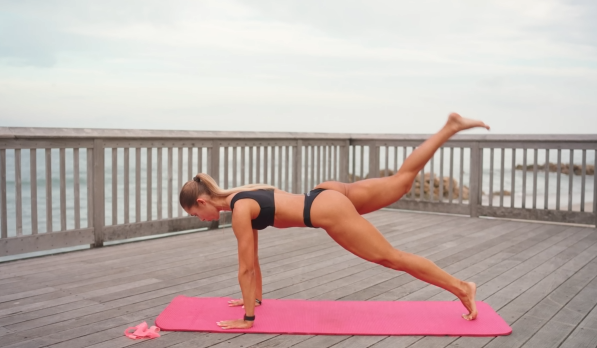
3. Glute Bridges
Lie on your back with your knees bent and feet flat on the floor. Press through your heels to lift your hips toward the ceiling, squeezing your glutes at the top. Lower slowly and repeat.
This exercise targets your glutes and lower back while also engaging your core. It’s especially important for improving hip stability and supporting your posture.
To increase intensity, hold the top position for a few seconds before lowering down.
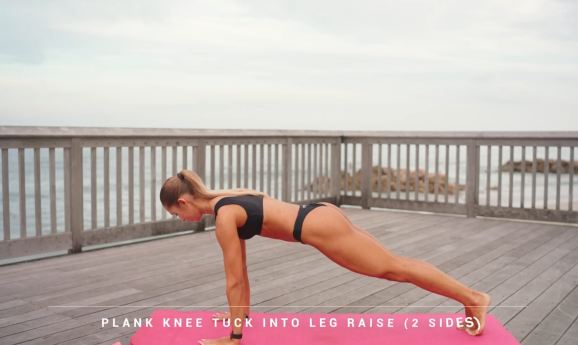
4. Plank Hold
Turn over onto your forearms and extend your legs behind you. Keep your body in a straight line from head to heels, engaging your core, glutes, and legs.
This isometric exercise builds core endurance and stability. Avoid letting your hips drop or rise—maintain a neutral spine.
Focus on your breathing. Inhale and exhale steadily as you hold the position. Even a short plank can be incredibly challenging when done correctly.
5. Mountain Climbers
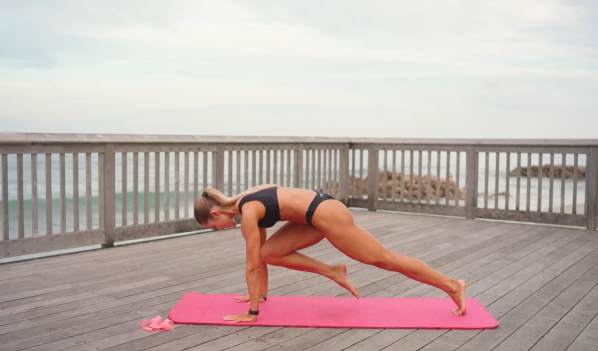
From a high plank position, quickly alternate bringing your knees toward your chest. Keep your core tight and your movements controlled.
This dynamic exercise combines cardio with core activation, helping to elevate your heart rate while strengthening your abs.
You can perform this exercise at a faster pace for intensity or slow it down to focus more on control and stability.
Finishing Strong
In just five minutes, you’ve activated your entire lower body and core. You’ve built strength, improved stability, and given your body a powerful boost—all in a very short amount of time.
If you have an extra minute, take a moment to stretch. Gently stretch your quads by pulling one foot toward your glutes, then switch sides. Sit down and reach forward to stretch your hamstrings, and finish with a gentle spinal twist to relax your core.
Tips for Maximum Results
Consistency is key. Even though this is a short workout, doing it regularly—whether daily or a few times a week—can lead to noticeable improvements over time.
Focus on quality over speed. Slow, controlled movements are more effective than rushing through the exercises. Pay attention to your form and how your body feels.
Engage your core throughout every movement. This not only enhances the effectiveness of the workout but also helps protect your lower back.
Breathe deeply. Proper breathing supports muscle engagement and helps you stay focused and energized.
Why Short Workouts Work
Many people believe that workouts need to be long to be effective, but that’s not true. Short, focused sessions like this one can be just as powerful when done with intention.
A 5-minute workout can:
- Activate key muscle groups
- Improve circulation
- Boost energy levels
- Support fat burning
- Reinforce healthy habits
It’s all about consistency and effort. Five minutes may seem small, but over time, those minutes add up to meaningful progress.
Final Thoughts
This 5-minute lower body and core bodyweight workout is a reminder that fitness doesn’t have to be complicated or time-consuming. With just a small window of time, you can move your body, build strength, and feel better physically and mentally.
Whether you’re starting your day, taking a break from work, or finishing a longer workout, this quick routine fits seamlessly into your lifestyle.
So take a deep breath, press play, and commit to those five minutes. Your body will thank you—today, tomorrow, and in the long run.