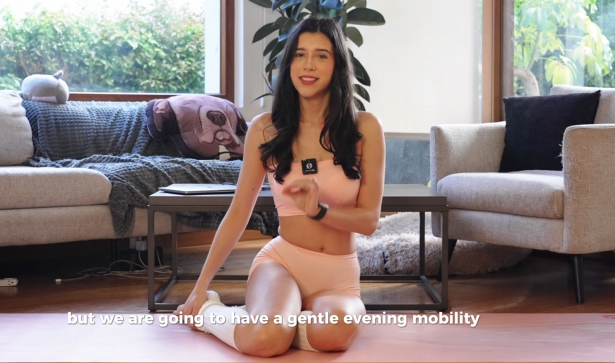
Sleep doesn’t begin when you close your eyes.
It begins hours before—through the way you move, the way you breathe, and the way you allow your body to release the weight of the day. For many people, restless nights are not just about a busy mind, but a body that never fully unwinds. Tight hips, stiff shoulders, a tense spine—these physical patterns quietly keep the nervous system alert, even when you’re ready to rest.
That’s where a gentle yoga mobility routine can make a real difference.
This isn’t about intense stretching or pushing your limits. It’s about creating space, calming your system, and guiding your body into a state where sleep can happen naturally.
Think of it as a transition—a bridge between activity and rest.
Start by dimming the lights in your space.
Your environment matters. Soft lighting signals your brain that it’s time to slow down. You don’t need a perfect setup—just a quiet corner, a mat or soft surface, and a few uninterrupted minutes.
Begin by lying on your back.
Let your arms rest beside you, palms facing upward. Close your eyes and take a slow, deep breath in through your nose. Feel your chest and belly rise gently.
Then exhale slowly.
Do this for a few breaths, allowing your body to settle. Notice where you feel tension—not to fix it immediately, but simply to become aware.
From here, bring your knees into your chest.
Wrap your arms around them and gently rock side to side. This movement massages the lower back and begins to release tension in the spine. Keep it slow and controlled, syncing the movement with your breath.
As you inhale, pause.
As you exhale, gently rock.
After a few moments, place your feet back on the ground and let your knees fall together.
This position, simple as it is, allows the hips to relax without effort. It’s a passive release, which is exactly what your body needs before sleep.
Next, move into a gentle spinal twist.
Drop both knees to one side while keeping your shoulders grounded. Turn your head in the opposite direction if it feels comfortable. There’s no need to force the stretch—just let gravity guide you.
Twists are powerful for releasing tension held in the spine and lower back. They also help calm the nervous system, making them ideal for evening practice.
Hold for several breaths.
Then slowly switch sides.
From there, bring one knee into your chest while extending the other leg long on the ground. This creates a mild stretch through the hips and lower back. You can gently draw the knee closer on each exhale, but keep the movement soft.
Switch sides after a few breaths.
Now, transition into a seated position.
Sit comfortably with your legs crossed or extended. Place your hands on your knees and begin slow neck rolls. Drop your chin toward your chest, then gently circle your head from one side to the other.
Be mindful here.
The neck holds a lot of tension, especially from screen time and stress. Move slowly, with care, allowing the muscles to release without strain.
After a few circles, pause and take a deep breath.
Then move into a forward fold.
Extend your legs in front of you and slowly hinge forward from your hips. Let your hands rest wherever they naturally fall—on your legs, ankles, or feet.
This is not about reaching.
It’s about softening.
Allow your spine to round slightly, your head to drop, your shoulders to relax. With each exhale, imagine the tension draining out of your body.
Stay here for several breaths.
As your body begins to feel warmer and more open, transition into a gentle hip opener.
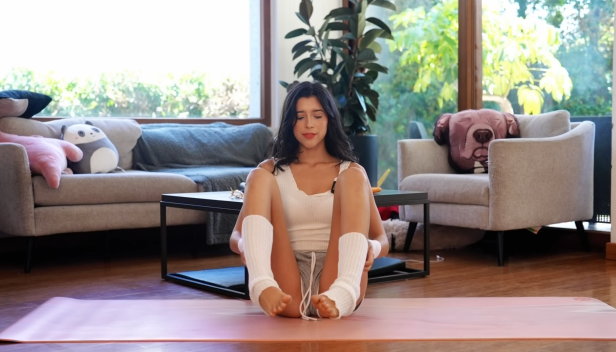
Bring the soles of your feet together and let your knees fall outward. Hold your feet lightly and sit tall at first. Then, if it feels comfortable, lean forward slightly.
This pose helps release tension stored in the hips—a common area where stress accumulates. The more relaxed your hips are, the easier it is for your body to settle into rest.
Again, move slowly.
Breathe deeply.
Let your body guide you.
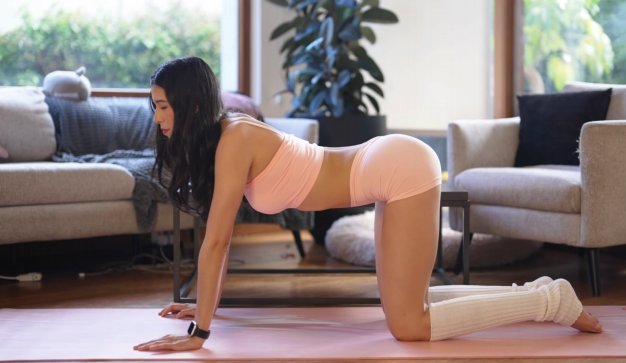
From here, come onto your hands and knees.
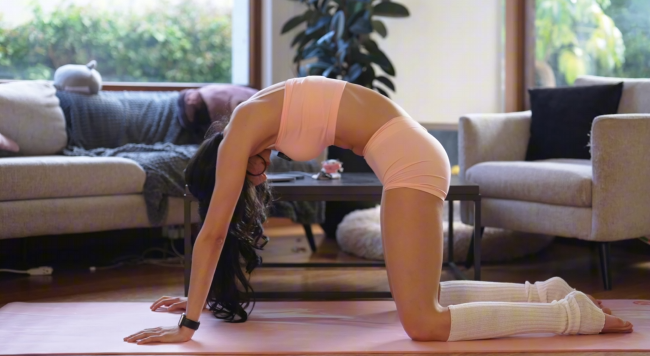
Move into a slow cat-cow sequence. As you inhale, lift your chest and tilt your pelvis back, creating a gentle arch in your spine. As you exhale, round your back and tuck your chin.
This movement creates fluidity in the spine and helps release any lingering stiffness.
Repeat several times, matching your breath to your movement.
Feel the rhythm.
Feel the flow.
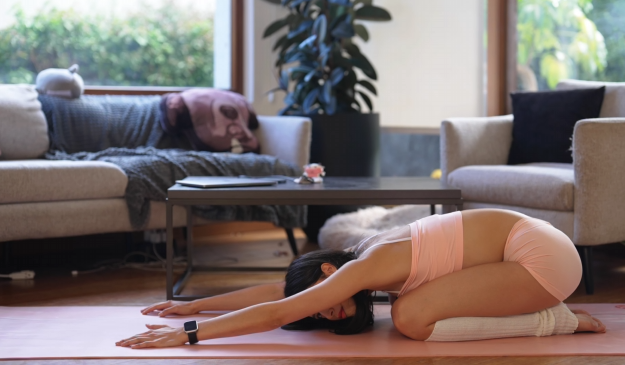
Then, gently shift back into child’s pose.
Bring your hips toward your heels and extend your arms forward or let them rest by your sides. Rest your forehead on the ground or a cushion.
This is a deeply calming position.
It signals safety to your nervous system, encouraging your body to relax fully. Stay here for as long as you need, breathing slowly and evenly.
Finally, transition into your resting pose.
Lie flat on your back again, arms relaxed, legs extended or slightly apart. Close your eyes.
Let everything go.
At this point, your body has been gently opened, your muscles softened, your breath slowed. There is nothing left to do.
Just rest.
If your mind begins to wander, bring your attention back to your breath. Notice the rise and fall of your chest, the steady rhythm of your inhale and exhale.
You don’t need to force sleep.
You simply create the conditions for it.
Over time, this routine becomes more than just a series of movements.
It becomes a signal.
A message to your body and mind: it’s time to rest.
Consistency is key.
Even 10 to 15 minutes each night can make a noticeable difference. Your body will begin to recognize the pattern, easing into relaxation more quickly with each practice.
Better sleep isn’t just about being tired.
It’s about being relaxed.
It’s about releasing the physical and mental tension that keeps you alert. And with a gentle yoga mobility routine, you give yourself the opportunity to do exactly that.
So instead of scrolling, worrying, or pushing through fatigue, take a few moments to move, to breathe, to unwind.
Because sometimes, the best way to fall asleep…
Is to first let go.