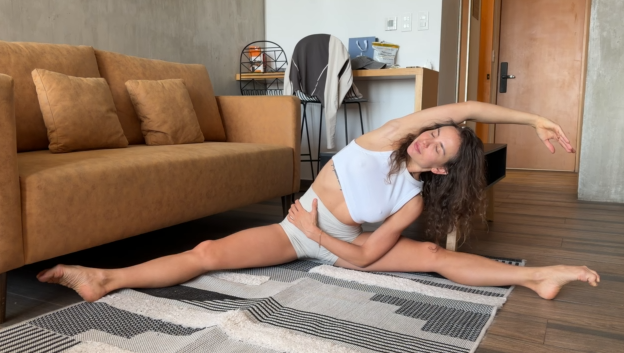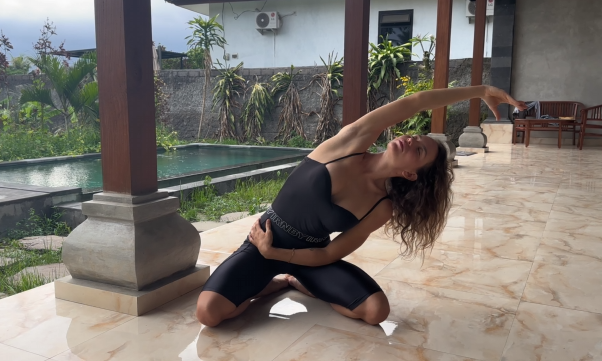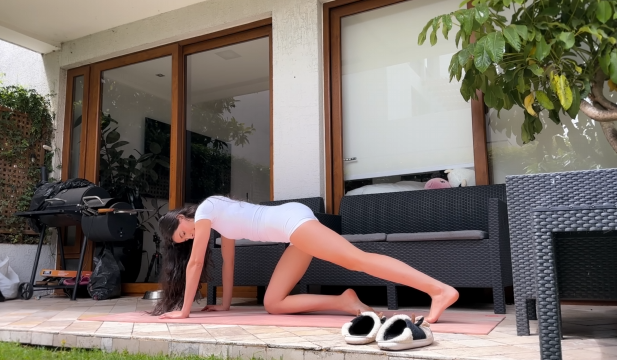
There is something different about practicing yoga outside.
The air feels lighter. The space feels wider. The body responds in ways it often doesn’t indoors. When you step onto the earth instead of a studio floor, something subtle shifts—you begin to move not just with your body, but with nature itself.
And when it comes to opening the hips, that connection matters more than you might think.
The hips are one of the most complex and sensitive areas of the body. They carry not only physical tension from sitting, walking, and daily movement, but also emotional stress that quietly builds over time. Tight hips can feel like resistance—stiffness, discomfort, even a sense of being “stuck.”
Outdoor yoga creates the perfect environment to release that.
The open sky encourages expansion.
The natural ground supports grounding.
The gentle sounds of wind, leaves, and distant life invite relaxation.
All of this helps your body feel safe enough to let go.
When you begin your practice outdoors, start by simply standing still.
Feel your feet connect with the ground beneath you—whether it’s grass, sand, or earth. Let your toes spread slightly. Let your weight settle evenly. Close your eyes if you feel comfortable.
Take a deep breath in.
Then slowly exhale.
Do it again.
Let your breath match the rhythm of your surroundings. Notice the temperature of the air, the movement of the breeze, the sounds that come and go without effort.
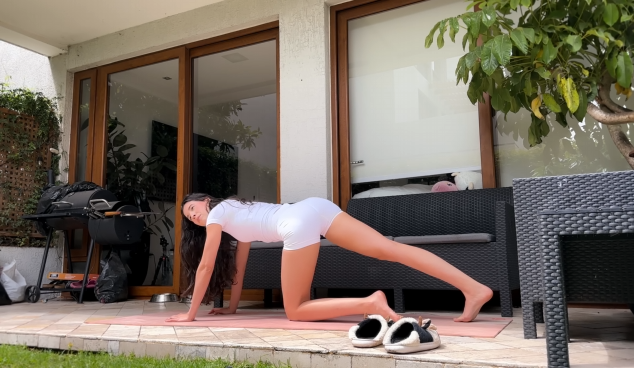
This is your starting point.
Before stretching the hips, the body needs to feel grounded.
From there, begin with gentle movement.
A slow walk on your mat or the ground can awaken your hips naturally. Let your arms swing freely, your steps soft and mindful. Then transition into a simple hip circle—hands on your hips, gently rotating your pelvis in wide, slow circles.
There is no need to rush.
The goal is not intensity—it’s awareness.
As you continue, move into a low lunge.
Step one foot forward, the other extended back, and let your hips sink gradually toward the ground. Keep your chest lifted, your breath steady. You may feel a stretch along the front of the back leg, deep in the hip flexor.
This area is often tight from long hours of sitting.
Breathe into it.
Instead of pushing deeper, allow your body to open naturally. With each exhale, soften just a little more. The outdoor environment helps here—the fresh air, the open space—it all signals to your body that it can relax.
Next, shift your weight back and move into a gentle hamstring stretch, then return to the lunge. Flow between these two positions slowly, letting your hips move through a full range of motion.
This dynamic movement is key.
Flexibility is not just about holding a pose—it’s about creating freedom in movement.
As your body warms up, you can explore deeper hip openers.
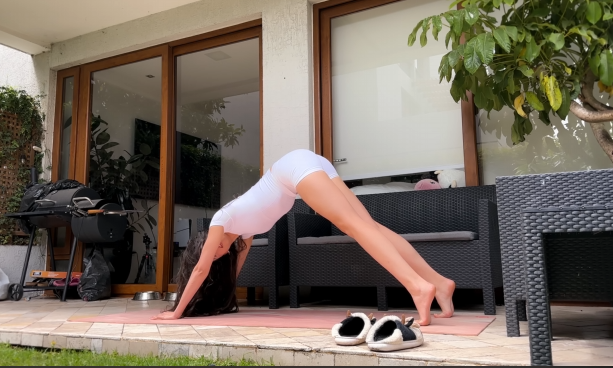
A seated figure-four stretch is a great option. Sit comfortably, cross one ankle over the opposite knee, and gently lean forward. Feel the stretch in the outer hip.
Notice how it feels.
Not just physically, but emotionally.
The hips often hold stored tension—stress, frustration, even unprocessed emotions. As you stretch, you might feel a release that goes beyond the body. That’s normal.
That’s part of the process.
Another powerful pose for hip flexibility is the deep squat.
Lower your body slowly, feet flat if possible, knees bent, hips sinking down toward the earth. Use your elbows to gently press your knees outward, opening the hips further.
This position is natural for the human body, but many people lose it over time due to modern habits.
Outdoors, it feels different.
More instinctive.
More grounded.
Stay here for a few breaths, letting gravity assist you. The earth supports you, holds you, invites you to settle deeper.
From there, you can transition into a pigeon pose.
Bring one leg forward, bent at an angle, while the other extends behind you. Lower your upper body gradually, resting on your hands or forearms.
This is a deeper stretch.
And it requires patience.
Your hips may resist at first. That’s okay. Don’t force it. Let your breath guide you. With each inhale, create space. With each exhale, release tension.
Outdoor yoga enhances this experience.
The natural surroundings create a sense of calm that helps your body let go more easily. You are not confined by walls or mirrors. There is no comparison, no pressure—just you and your practice.
As you move through these poses, remember that flexibility is not a race.
It’s a relationship.
A relationship with your body, built on trust, consistency, and care.
Some days, your hips will feel open and responsive. Other days, they may feel tight and resistant. This is normal. Progress is not linear.
What matters is showing up.
Listening.
Respecting your limits while gently exploring beyond them.
Toward the end of your practice, bring your body back to stillness.
Sit comfortably or lie down.
Close your eyes.
Notice how your hips feel now compared to when you started. There may be more space, more ease, more awareness.
Even if the change is subtle, it matters.
Place one hand on your lower belly, one on your chest.
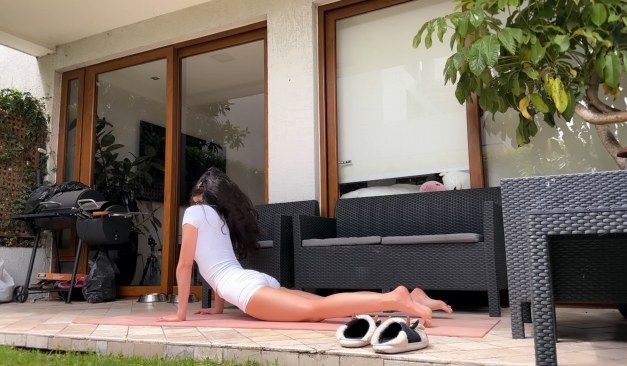
Breathe deeply.
Let your body absorb the effects of your practice.
Outdoor yoga is not just about the poses.
It’s about the experience.
The sunlight on your skin.
The breeze across your face.
The sounds that remind you that you are part of something larger.
All of these elements support your body’s natural ability to open, to release, to adapt.
Flexible hips are not just about physical movement.
They represent freedom.
Freedom to move without restriction.
Freedom to explore new ranges.
Freedom to feel more connected to your body.
And when practiced outdoors, that freedom expands even further.
You are no longer just stretching muscles.
You are creating space—inside and out.
So take your practice outside when you can.
Find a quiet spot—a park, a garden, a beach, even a small patch of grass.
Bring your breath.
Bring your awareness.
And let the natural world support you as you open your hips, one gentle stretch at a time.
Because sometimes, the best way to become more flexible is not to push harder—
But to step outside, breathe deeply, and let go.