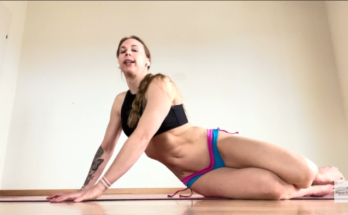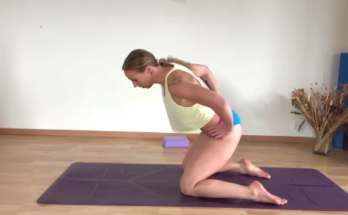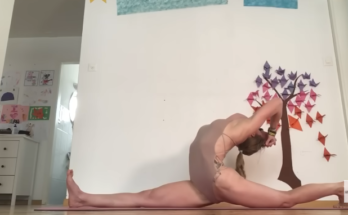
Waking up doesn’t have to be rushed, stressful, or abrupt. In fact, how you begin your morning can shape your entire day. Instead of jumping out of bed and immediately diving into responsibilities, imagine starting your day with calm, intentional movement. Deep bed stretches are a gentle and effective way to wake up your body slowly, improve circulation, and ease stiffness after a night of rest.
This simple routine requires no equipment, no special clothing, and no extra time carved out of your busy schedule. You’re already in bed—so why not use those first few minutes to reconnect with your body?
Why Stretch in Bed?
After hours of sleep, your muscles naturally become stiff and your joints may feel tight. Blood circulation slows during rest, and your body transitions from a relaxed state to one that needs to move and function again. Deep stretching helps bridge that gap.
Practicing stretches while still in bed offers several benefits:
- Gently wakes up muscles and joints
- Improves blood flow and oxygen delivery
- Reduces morning stiffness and soreness
- Enhances flexibility over time
- Promotes a calm and mindful start to the day
Unlike intense workouts, bed stretches are slow, soothing, and designed to ease you into movement without shock or strain.
The Mind-Body Connection

Morning stretches are not just about the body—they also impact your mind. Instead of immediately checking your phone or worrying about the day ahead, stretching allows you to be present. You become aware of your breathing, your body, and how you feel.
This mindful approach can:
- Reduce stress and anxiety
- Improve focus and clarity
- Set a positive tone for the day
Even just five to ten minutes can make a noticeable difference in your mood and energy levels.
A Gentle Full-Body Routine
Here’s a simple sequence of deep bed stretches you can follow each morning. Move slowly, breathe deeply, and listen to your body.
1. Full Body Stretch (The Wake-Up Reach)
Start by lying on your back. Extend your arms overhead and stretch your legs in the opposite direction. Point your toes and reach through your fingertips as if you’re trying to make your body longer.
Hold for 10–15 seconds while taking slow, deep breaths. This stretch activates your entire body and helps shake off sleepiness.
2. Knee-to-Chest Hug
Bring one knee toward your chest and wrap your arms around it. Gently pull it closer while keeping the other leg extended or bent—whatever feels comfortable.
Hold for a few breaths, then switch sides. This movement helps release tension in the lower back and hips.
3. Supine Twist
With both knees bent, drop them gently to one side while keeping your shoulders relaxed against the bed. Turn your head in the opposite direction if it feels comfortable.
This twist massages the spine and helps release stiffness from the night.

4. Happy Baby Pose (Modified)
Grab the backs of your thighs or your feet and gently open your knees toward your armpits. Rock slightly side to side if it feels good.
This stretch opens the hips and relieves tension in the lower back.
5. Cat-Cow Stretch (Bed Version)
Roll onto your hands and knees. As you inhale, arch your back and lift your head slightly (cow position). As you exhale, round your spine and tuck your chin (cat position).
Repeat slowly for 5–10 breaths. This movement improves spinal flexibility and wakes up your core.
6. Seated Forward Fold
Sit up in bed with your legs extended in front of you. Slowly reach forward toward your feet, keeping your spine long. Don’t worry about touching your toes—just go as far as feels comfortable.
This stretch targets the hamstrings and lower back.
7. Gentle Neck Stretch
Sit comfortably and tilt your head to one side, bringing your ear toward your shoulder. Hold for a few breaths, then switch sides.
This helps release tension in the neck, especially if you slept in an awkward position.
Breathing Matters
As you move through each stretch, focus on your breathing. Deep, slow breaths enhance the effectiveness of each movement and help your body relax.
Try this simple pattern:
- Inhale through your nose as you prepare or lengthen
- Exhale slowly as you deepen the stretch
Breathing deeply also signals your nervous system to stay calm, preventing any sudden stress response.
Listen to Your Body
One of the most important aspects of deep bed stretching is awareness. Your body may feel different each morning—some days more flexible, other days more stiff.
Respect those differences. Avoid forcing any movement or pushing into pain. Stretching should feel good, not uncomfortable.
If something doesn’t feel right:
- Reduce the intensity
- Modify the position
- Skip the stretch if needed
Over time, your flexibility and comfort will naturally improve.
Creating a Morning Ritual

Turning your stretches into a daily ritual can be life-changing. It doesn’t need to be long or complicated. Even a short routine can help you feel more energized and balanced.
To build consistency:
- Keep it simple and realistic
- Do it immediately after waking up
- Pair it with something you enjoy, like soft music or sunlight
- Stay present and avoid distractions
The goal is not perfection—it’s consistency.
Who Can Benefit?
Deep bed stretches are suitable for almost everyone, regardless of age or fitness level. They’re especially helpful for:
- People with desk jobs or sedentary lifestyles
- Anyone experiencing morning stiffness
- Beginners starting a fitness journey
- Individuals looking for a gentle, low-impact routine
Because the movements are slow and controlled, they are accessible and easy to adapt.
The Long-Term Benefits
While the immediate effects of stretching feel great, the long-term benefits are even more powerful. With regular practice, you may notice:
- Increased flexibility and mobility
- Reduced muscle tension and pain
- Better posture throughout the day
- Improved body awareness
- A calmer, more focused mindset
These small moments of care add up over time, supporting both physical and mental well-being.
Final Thoughts
Deep bed stretches are a simple yet powerful way to start your day. Instead of rushing into activity, you give your body the time it needs to wake up naturally. You create space for calm, movement, and awareness—all before even stepping out of bed.
Tomorrow morning, before reaching for your phone or jumping up, take a moment. Stretch your arms, breathe deeply, and move slowly. Let your body guide you.
Waking up doesn’t have to be harsh or hurried. With deep bed stretches, you can rise gently—feeling refreshed, relaxed, and ready to take on the day.