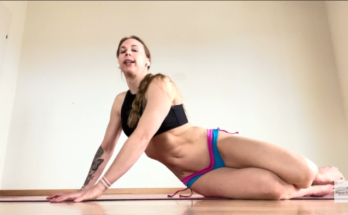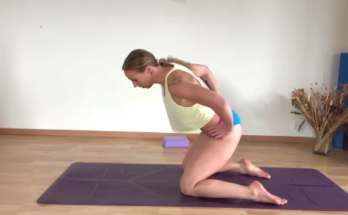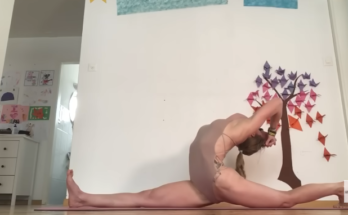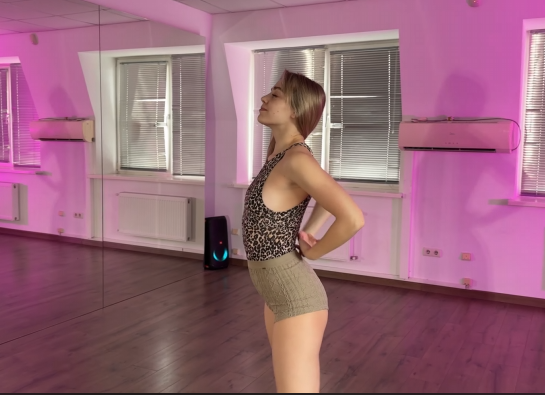
Before the music begins, before the first step hits the floor, there is a quiet moment where the body prepares. This space—often overlooked—is where dancers build connection, control, and expression. “Infinite Lines” is a pre-dance stretch and flow designed to awaken the body with elasticity, fluidity, and intention. It’s not just about warming up; it’s about creating length, continuity, and freedom in every movement that follows.
In dance, lines are everything. The extension of an arm, the reach of a leg, the curve of the spine—all contribute to how movement is seen and felt. Infinite lines are not rigid or forced; they are alive, expanding, and continuously flowing from one point to another. This routine focuses on building those lines through elastic energy, where the body stretches and rebounds with control and grace.
The Concept of Elastic Movement
Elasticity in movement is the ability to stretch without strain and return without tension. Think of your muscles like soft resistance bands—capable of lengthening and recoiling smoothly. This quality is essential in dance, as it allows transitions to feel effortless and movements to appear light yet powerful.
Instead of static stretching, this flow emphasizes dynamic motion. You are not holding positions for long periods; instead, you are moving in and out of stretches, maintaining a sense of rhythm and continuity. This approach prepares the body more effectively for the demands of dance, where motion is constant.
Setting the Tone
Begin in a quiet space where you can move freely. Stand tall with your feet grounded beneath you. Close your eyes for a moment and take a deep breath in through your nose, then exhale slowly through your mouth.
Feel your weight evenly distributed. Notice the subtle sway of your body. This is your starting point—calm, centered, and ready.
1. Breath to Reach
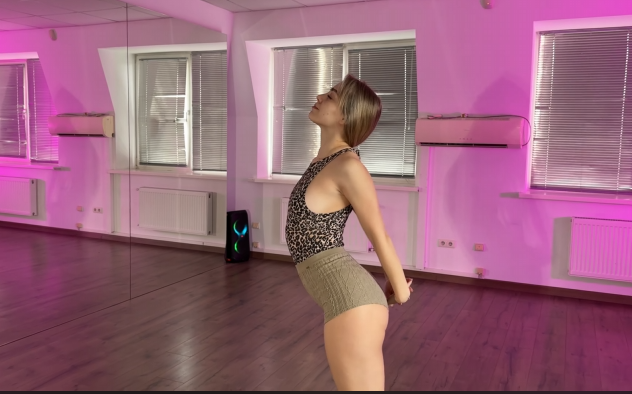
Inhale deeply as you sweep your arms overhead, reaching upward through your fingertips. Imagine your body lengthening in all directions. As you exhale, let your arms float back down.
Repeat this several times, each reach becoming slightly more expansive. Think of energy traveling from your feet, through your torso, and out through your hands. This creates the first “line” in your body—long, continuous, and alive.
2. Side Body Waves
From your standing position, lift one arm overhead and gently lean to the opposite side. Instead of collapsing, imagine your body curving like a wave. Keep both sides of your torso active—one lengthening, the other supporting.
Flow from side to side, moving with your breath. This develops lateral flexibility and introduces the idea of continuous motion.
3. Arm Circles with Flow
Extend your arms out to the sides and begin slow, controlled circles. But instead of isolating the arms, allow the movement to travel through your shoulders, chest, and upper back.
As your arms circle forward, let your chest subtly follow. As they circle back, allow a gentle opening across the collarbones. This creates a full upper-body flow rather than a disconnected movement.
Gradually increase the size of the circles, maintaining control and smoothness.
4. Rolling Through the Spine
Bring your chin gently toward your chest and begin to roll down through your spine, one vertebra at a time. Let your arms hang heavy. There’s no rush—this is about articulation and awareness.
At the bottom, soften your knees slightly. Then slowly roll back up, stacking each vertebra until your head lifts last.
Repeat this several times, imagining your spine as a flexible chain, each segment moving with ease.
5. Elastic Lunges
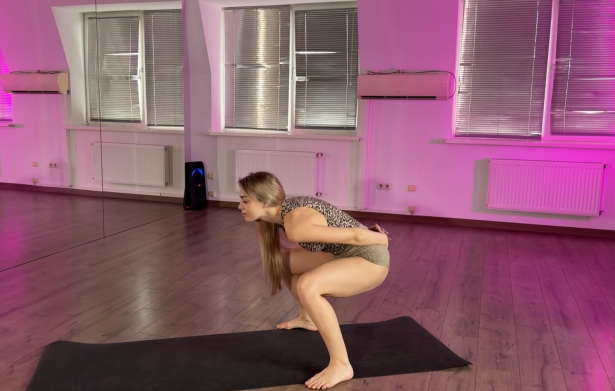
Step one foot back into a gentle lunge. As you bend your front knee, allow your hips to sink slightly, feeling a stretch through the back leg.
Then, instead of holding, gently pulse in and out of the lunge. The movement should feel springy, not forced. This builds elasticity in the lower body and prepares the legs for dynamic motion.
Switch sides and repeat.
6. Hip Circles and Figure Eights
Place your hands on your hips and begin to draw circles with them. Start small, then gradually make the circles larger. Let the movement be smooth and continuous.
After a few rounds, transition into a figure-eight pattern. This encourages fluidity in the pelvis and lower spine, which is essential for many dance styles.
7. Flowing Forward Fold to Reach
Fold forward again, then slowly rise up, sweeping your arms overhead into a full-body stretch. From there, transition into a slight back extension—lifting your chest without compressing your lower back.
Then flow back down into the fold. Repeat this sequence, connecting each movement like a wave.
8. Traveling Lines
Take a step to the side and extend one arm outward, as if reaching beyond your physical space. Let the rest of your body follow naturally.
Continue stepping and reaching, allowing your body to travel. Focus on creating long, uninterrupted lines from fingertip to toe.
This is where the concept of “infinite lines” becomes more tangible—your movement doesn’t stop at your body; it extends outward into space.
The Importance of Control
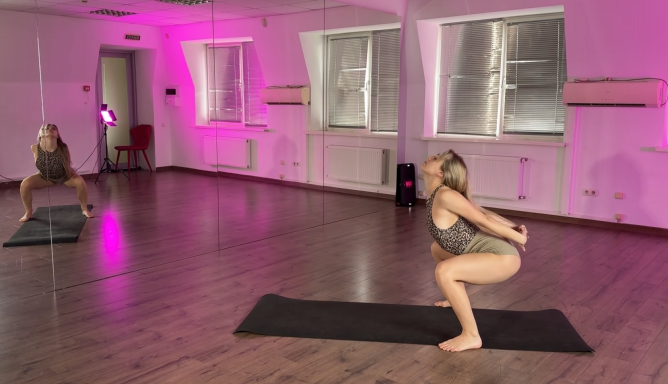
While the flow is fluid, control is key. Each movement should feel intentional, not sloppy. Imagine moving through water—resistance is present, but it doesn’t stop you.
This balance between freedom and control is what makes movement appear effortless.
Connecting to Music
Once your body feels warm and awake, you can begin to introduce music. Choose something with a steady rhythm or a soft, flowing melody.
Let the music guide your timing, but don’t lose the quality of your movement. Stay connected to your breath and your body.
Benefits Beyond Dance
Although this routine is designed for dancers, its benefits extend to anyone looking to improve mobility and body awareness.
Regular practice can lead to:
- Increased flexibility and range of motion
- Better posture and alignment
- Enhanced coordination
- Reduced risk of injury
- A deeper connection between mind and body
It’s not about perfect technique—it’s about how the movement feels.
Final Thoughts
“Infinite Lines” is more than a warm-up. It’s a mindset. It invites you to move with intention, to explore space, and to find continuity in your body.
As you transition from this flow into your dance practice, carry that sense of elasticity with you. Let your movements expand beyond limits, connecting one motion to the next without interruption.
There is no beginning and no end—only flow.
So take a breath, reach outward, and create your lines.