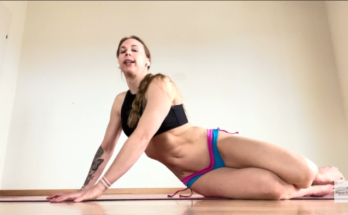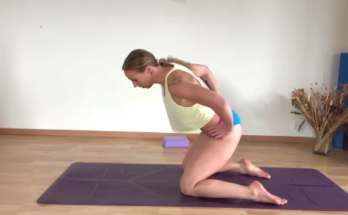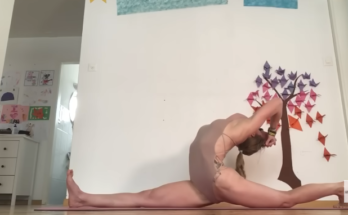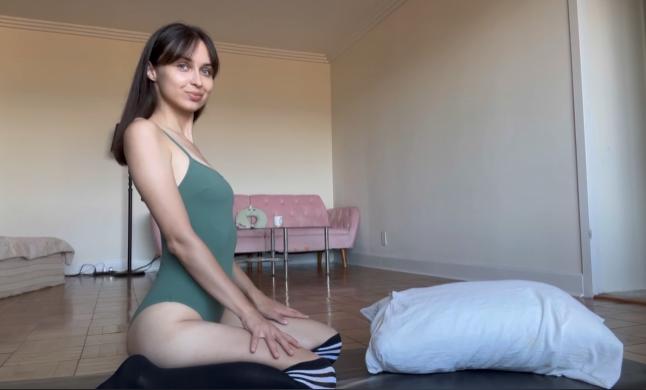
In today’s fast-paced world, finding time to slow down and reconnect with your body can feel like a challenge. Between work, responsibilities, and constant distractions, it’s easy to forget how important it is to pause, breathe, and move with intention. That’s where yoga and stretching at home come in—a simple yet powerful way to restore balance, improve flexibility, and create a sense of calm without ever leaving your space.
Practicing at home offers something unique. There’s no pressure, no comparison, and no need to rush. It’s your time, your pace, and your body. Whether you have five minutes or a full hour, even the smallest effort can bring noticeable changes to both your physical and mental well-being.
Why Practice at Home?
One of the biggest advantages of home practice is accessibility. You don’t need a gym membership, fancy equipment, or a large space. A small area on the floor, a mat (or even a towel), and comfortable clothing are more than enough to get started.
Practicing at home allows you to:
- Move freely without feeling self-conscious
- Create a routine that fits your schedule
- Focus deeply on your own body and breath
- Build consistency in a relaxed environment
It also helps remove excuses. When everything you need is already around you, it becomes easier to show up for yourself.
The Power of Gentle Movement
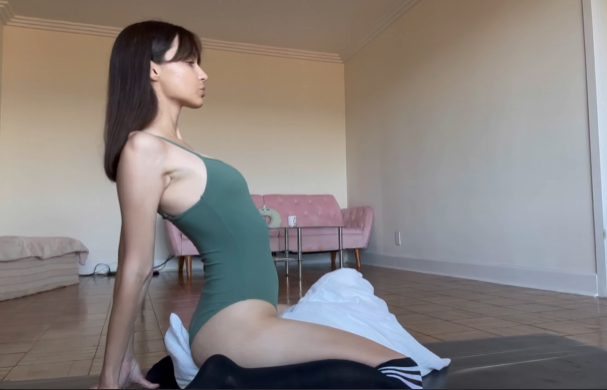
Yoga and stretching don’t have to be intense to be effective. In fact, slow and gentle movement is often more beneficial, especially if you’re dealing with stiffness, stress, or fatigue.
Stretching helps lengthen tight muscles, improve circulation, and reduce tension. Yoga goes a step further by combining movement with breath and awareness, creating a full mind-body experience.
Together, they can:
- Improve flexibility and mobility
- Relieve muscle soreness and stiffness
- Support better posture
- Calm the nervous system
- Boost energy and mood
It’s not about pushing your limits—it’s about listening to your body and giving it what it needs.
Creating a Calm Space 🤍
Your environment plays a big role in how your practice feels. You don’t need a perfectly designed studio, but creating a calm and inviting space can make a difference.
Try to:
- Choose a quiet area with minimal distractions
- Let in natural light if possible
- Play soft music or enjoy silence
- Keep your space clean and uncluttered
You might even add small touches like a candle, a plant, or a blanket to make the space feel more comforting. Over time, your body will begin to associate this area with relaxation and movement.
A Simple Home Routine
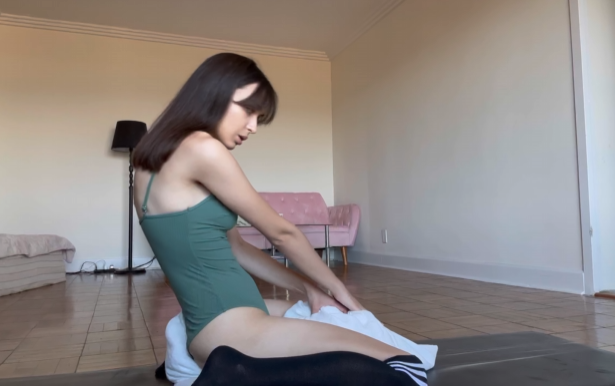
If you’re not sure where to start, here’s a gentle full-body routine you can follow. Move slowly, breathe deeply, and adjust anything that doesn’t feel right.
1. Deep Breathing (1–2 minutes)
Sit or lie down comfortably. Close your eyes and take slow, deep breaths. Inhale through your nose, exhale through your mouth. Let your body relax with each breath.
2. Neck and Shoulder Release
Gently tilt your head from side to side, then roll your shoulders forward and backward. This helps release tension built up from daily activities.
3. Cat-Cow Stretch
Come onto your hands and knees. Inhale as you arch your back and lift your head. Exhale as you round your spine and tuck your chin. Move slowly with your breath.
4. Child’s Pose
Sit your hips back toward your heels and stretch your arms forward. Rest your forehead down and breathe deeply. This is a calming, grounding position.
5. Downward Stretch
From hands and knees, lift your hips up and back into a gentle stretch. Keep your knees slightly bent if needed. Focus on lengthening your spine.
6. Low Lunge Stretch
Step one foot forward and lower the opposite knee down. Gently press your hips forward to feel a stretch in the hip flexors. Switch sides after a few breaths.
7. Seated Forward Fold
Sit with your legs extended and reach forward toward your feet. Keep your spine long and avoid forcing the stretch.
8. Gentle Twist
Sit comfortably and twist your torso to one side, placing your hand behind you for support. Hold, then switch sides.
9. Final Relaxation
Lie down on your back with your arms relaxed by your sides. Close your eyes and take slow breaths for a few minutes. Let your body fully relax.
Consistency Over Perfection
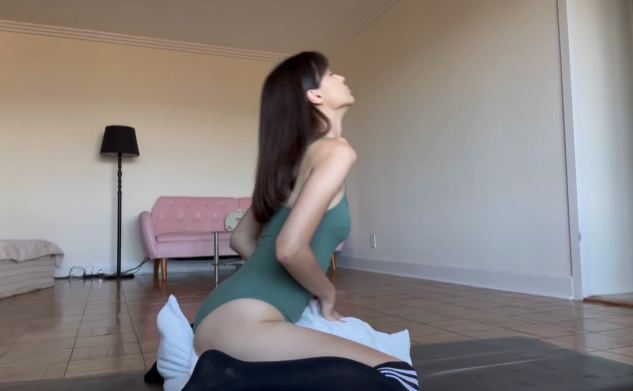
You don’t need to have a perfect routine or spend hours practicing to see results. What matters most is consistency. Even 10–15 minutes a day can make a big difference over time.
Some days you may feel more flexible and energized, while other days your body may feel tight or tired. That’s completely normal. The goal is not to perform perfectly, but to show up and move.
Listening to Your Body
Your body is your best guide. Pay attention to how each movement feels. Stretching should create a gentle pull, not pain. If something feels uncomfortable, ease out of it or modify the position.
Over time, you’ll develop a better understanding of your limits and abilities. This awareness is one of the most valuable aspects of yoga and stretching.
Mental and Emotional Benefits
Beyond the physical benefits, home practice can have a powerful impact on your mental and emotional health. Taking time to move and breathe helps quiet the mind and reduce stress.
You may notice:
- A sense of calm and clarity
- Reduced anxiety
- Improved focus
- Better sleep
These small moments of stillness can become a form of self-care—something you look forward to rather than something you have to do.
Making It a Lifestyle
Yoga and stretching don’t have to be separate from your daily life. You can integrate small movements throughout your day—stretching in the morning, taking a break during work, or unwinding before bed.
The more you incorporate these practices, the more natural they will feel. It becomes less of a task and more of a habit—a way of taking care of yourself.
Final Thoughts 🤍
Yoga and stretching at home are about more than just movement. They’re about creating space—for your body, your breath, and your mind. In a world that often feels busy and overwhelming, these moments of calm can be incredibly grounding.
You don’t need to be flexible, experienced, or perfect to begin. All you need is the willingness to start.
Roll out your mat, take a deep breath, and move gently. Your body will thank you, and your mind will too. 🤍