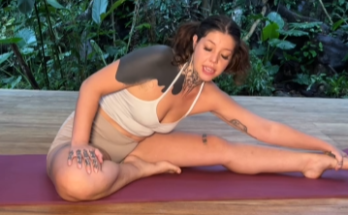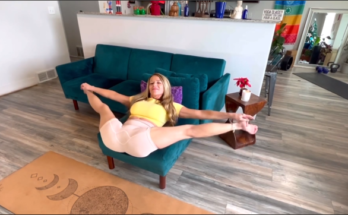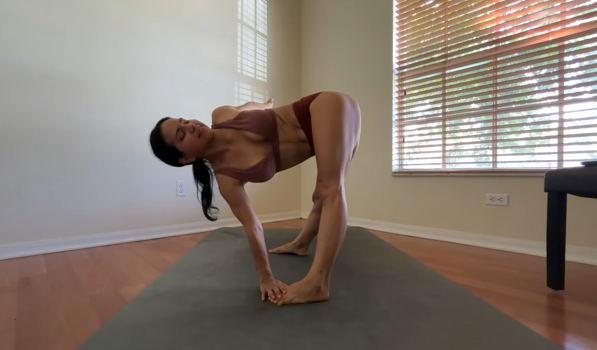
Flexibility is one of the most essential yet often overlooked aspects of physical fitness. It allows your body to move freely, reduces the risk of injury, and enhances performance in almost every activity. Whether you are practicing yoga, training in gymnastics, or simply stretching to feel better, flexibility plays a central role in how your body functions and feels.
This journey into flexibility combines the mindful awareness of yoga, the discipline of stretching, and the strength of gymnastics. Together, these elements create a balanced approach to building a body that is not only flexible but also strong and controlled.
Understanding Flexibility
Flexibility is the ability of your muscles and joints to move through a full range of motion. It is influenced by factors such as muscle length, joint structure, and consistency in training.
Many people believe flexibility is something you are born with, but that’s not entirely true. While genetics play a role, flexibility can be developed with regular practice. The key is patience. Unlike strength, which can improve relatively quickly, flexibility takes time to build.
Yoga and gymnastics approach flexibility differently, yet both are highly effective. Yoga focuses on breath and relaxation, while gymnastics emphasizes active control and strength within that range of motion. When combined, they create a powerful method for improving overall mobility.
The Importance of Stretching
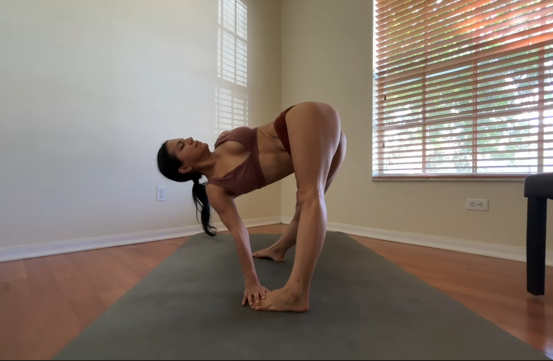
Stretching is the foundation of flexibility. It prepares the body for movement, helps release tension, and improves circulation.
There are two main types of stretching:
- Dynamic stretching, which involves movement and is typically used during warm-ups
- Static stretching, where you hold a position for a period of time to deepen the stretch
Both are important. Dynamic stretching prepares your body for activity, while static stretching helps improve flexibility over time.
Consistency is more important than intensity. A gentle stretch done regularly is far more effective than occasional extreme effort.
Yoga: Flexibility Through Awareness
Yoga is one of the most effective ways to improve flexibility because it combines movement with breath and mindfulness.
In yoga, each pose is an opportunity to explore your body’s range of motion. Poses like forward folds, lunges, and backbends gradually open different muscle groups. But what makes yoga unique is the focus on breathing.
Breathing helps your muscles relax, allowing you to move deeper into stretches without force. It also keeps your mind calm and focused, turning flexibility training into a meditative experience.
Over time, yoga not only improves flexibility but also enhances balance, posture, and overall well-being.
Gymnastics: Strength Within Flexibility
Gymnastics takes flexibility to another level by combining it with strength and control.
In gymnastics, flexibility is not just about reaching a position—it’s about holding it with stability. Movements like splits, bridges, and leaps require both muscle length and muscular engagement.
This is where many people struggle. They may achieve a flexible position passively, but without strength, they cannot control it.
Training like a gymnast involves:
- Engaging muscles during stretches
- Practicing controlled movements
- Building strength in extended positions
This approach not only improves flexibility but also makes your body more resilient.
A Simple Flexibility Routine
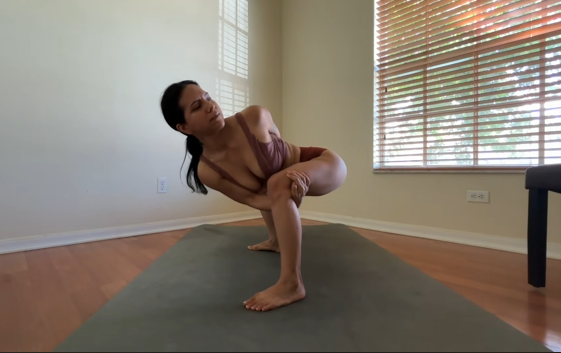
To begin your flexibility journey, you can follow a simple routine that combines elements of yoga, stretching, and gymnastics.
Start with a warm-up:
- Light cardio for 5–10 minutes
- Dynamic movements like leg swings and arm circles
Then move into stretching:
- Forward fold for hamstrings
- Lunge stretch for hip flexors
- Seated stretch for lower back
Add yoga poses:
- Downward dog
- Cobra pose
- Child’s pose
Finish with gentle cool-down stretches and deep breathing.
This routine can be done several times a week and will gradually improve your flexibility.
The Role of Consistency
Flexibility is built over time. One session will not create dramatic changes, but consistent practice will.
Some days your body will feel open and flexible. Other days it may feel tight. This is completely normal. The important thing is to keep showing up and listening to your body.
Avoid pushing too hard. Pain is not a sign of progress. Instead, aim for a gentle stretch that challenges you without causing discomfort.
Benefits Beyond Movement
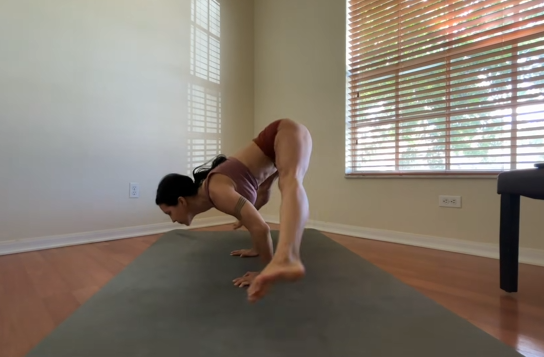
Improving flexibility has benefits that go beyond physical performance.
It can:
- Reduce muscle tension and stiffness
- Improve posture
- Enhance relaxation and reduce stress
- Increase body awareness
These benefits make flexibility training valuable for everyone, not just athletes.
Final Thoughts
Flexibility, yoga, stretching, and gymnastics are all connected by a common goal: helping your body move better.
By combining these practices, you create a balanced approach that develops both mobility and strength. Yoga teaches you to relax and breathe. Stretching improves your range of motion. Gymnastics builds control and stability.
Together, they form a complete system for physical development.
Remember, flexibility is not about achieving perfect poses or extreme positions. It’s about progress, awareness, and consistency.
With time and dedication, your body will become more open, more capable, and more comfortable in movement.
And in that process, you may discover something even more important—a deeper connection to your body and a greater sense of well-being in your everyday life.