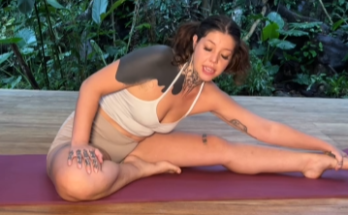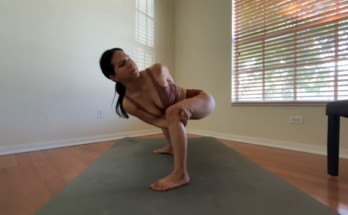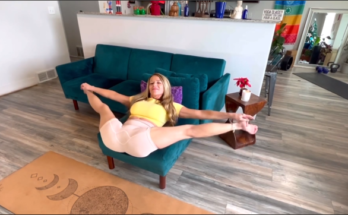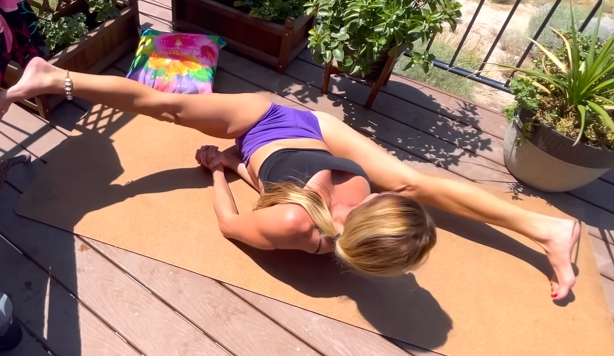
Flexibility is often seen as something extraordinary—something reserved for gymnasts, dancers, or contortionists. But in reality, flexibility is a skill that anyone can develop with patience and consistency. In this guided journey, Penelope blends contortion, yoga, stretching, and gymnastics into a powerful routine focused on improving flexibility and unlocking hip mobility.
Her approach is not about forcing extreme shapes. It’s about building a body that is strong, open, and responsive. Every movement has intention, and every stretch is performed with awareness.
The Foundation: Understanding Flexibility and Mobility
Before diving into the routine, it’s important to understand the difference between flexibility and mobility. Flexibility refers to how far your muscles can stretch, while mobility is about how well you can control that movement through a range of motion.
Penelope emphasizes both. A flexible body without control is unstable, while a strong body without flexibility feels restricted. The goal is to find balance.
This is where yoga and gymnastics come together. Yoga teaches awareness and breath, while gymnastics builds strength and dynamic control. Contortion sits at the intersection, requiring both elements to work in harmony.
Warming Up: Awakening the Body
Every session begins with a warm-up. Cold muscles are tight and more prone to injury, so preparing the body is essential.
Penelope starts with light cardio—jumping jacks, high knees, or a gentle jog. This increases circulation and warms the muscles.
Next comes dynamic movement:
- Leg swings to activate the hips
- Arm circles to loosen the shoulders
- Spinal waves to prepare the back
These movements are fluid and controlled. The goal is to feel loose and ready, not exhausted.
Hip Mobility: The Key to Freedom
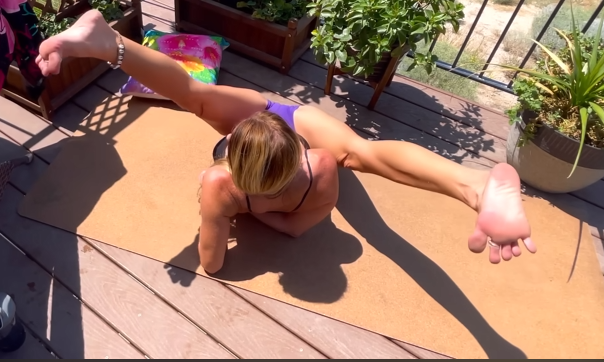
The hips are central to nearly every movement in flexibility training. Tight hips can limit your ability to perform splits, lunges, and many yoga poses.
Penelope focuses heavily on hip-opening exercises:
- Deep lunges to stretch the hip flexors
- Pigeon pose for external rotation
- Side lunges to improve lateral mobility
Each position is held with steady breathing. Instead of pushing into discomfort, she allows the body to gradually release tension.
Over time, these exercises create a sense of openness and freedom in the hips.
Hamstring Flexibility: Length and Control
Hamstrings play a major role in forward bending and splits. Penelope incorporates both static and active stretches to target this area.
Seated forward folds help lengthen the muscles, while standing variations add intensity. She also uses elevated surfaces to deepen the stretch safely.
The key is alignment:
- Keep the spine long
- Engage the legs
- Avoid collapsing into the stretch
This approach builds both flexibility and strength, reducing the risk of injury.
Splits and Beyond
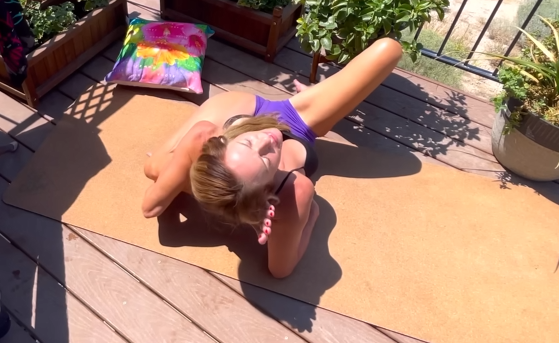
Once the body is warmed up, Penelope transitions into split work. Using her hands for support, she slowly lowers into position.
For beginners, this might mean a partial split. For advanced practitioners, it can evolve into full splits and even oversplits.
But no matter the level, the principle remains the same: control over depth.
Penelope often pauses in the split, focusing on breathing and alignment. This allows the muscles to adapt and release tension naturally.
Backbends: Strength Meets Flexibility
Contortion is often defined by dramatic backbends, but these movements require more than flexibility—they require strength.
Penelope begins with gentle spinal extensions like cobra pose. From there, she progresses to bridge pose, where the entire body engages to support the arch.
As strength improves, deeper backbends become possible. But she always emphasizes proper technique:
- Engage the core
- Distribute weight evenly
- Avoid collapsing into the lower back
This ensures that the spine remains safe while becoming more flexible.
Shoulder and Upper Body Mobility
Open shoulders are essential for both gymnastics and contortion. Penelope includes stretches that target the chest, shoulders, and upper back.
One effective movement is the chest opener:
- Clasp your hands behind your back
- Lift your arms while opening your chest
She also incorporates overhead stretches and wall-assisted movements to improve range of motion.
These exercises not only enhance flexibility but also improve posture.
Flow and Movement
What sets Penelope’s routine apart is the way she connects each stretch into a flowing sequence.
Instead of isolated movements, she creates transitions:
- A lunge flows into a split
- The split transitions into a backbend
- The backbend leads into a standing pose
This flow builds coordination, balance, and grace. It transforms stretching into a dynamic practice.
The Role of Breath
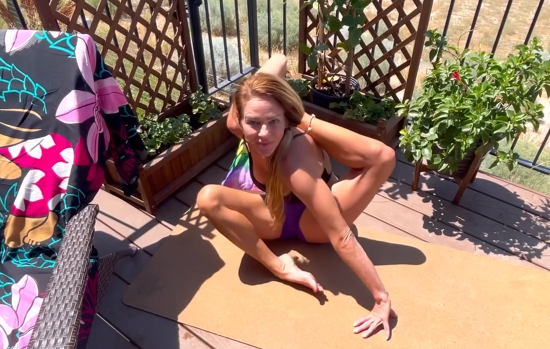
Breathing is at the heart of Penelope’s method.
Each movement is paired with the breath:
- Inhale to prepare
- Exhale to deepen
This helps the body relax and allows the muscles to stretch more effectively. It also keeps the mind focused and calm.
Without proper breathing, flexibility becomes harder to achieve.
Recovery and Consistency
After an intense session, cooling down is essential. Penelope finishes with gentle stretches and relaxation poses.
Recovery allows the muscles to rebuild and adapt. It’s during this phase that flexibility improves.
Consistency is key. Practicing regularly—even for short sessions—leads to steady progress over time.
Final Thoughts
Contortion, yoga, stretching, and gymnastics may seem like different disciplines, but they share a common goal: creating a body that moves freely and efficiently.
Penelope’s approach brings these elements together into a balanced practice that focuses on flexibility, strength, and hip mobility.
The journey to greater flexibility is not about rushing or forcing results. It’s about listening to your body, respecting its limits, and gradually expanding them.
With patience, dedication, and mindful practice, anyone can improve their flexibility.
And as you move through each stretch, each pose, and each breath, you’ll discover something deeper—a connection to your body that goes beyond movement.
Because true flexibility is not just about how far you can go.
It’s about how well you move, how deeply you feel, and how fully you understand your own body.
1 message remaining.Start a free Plus tri