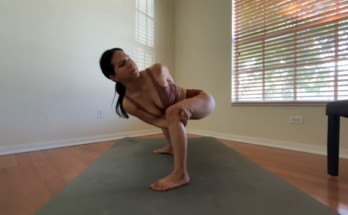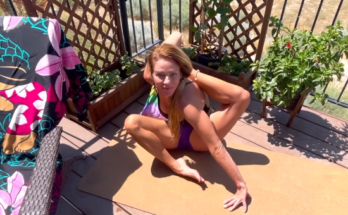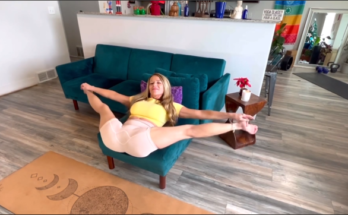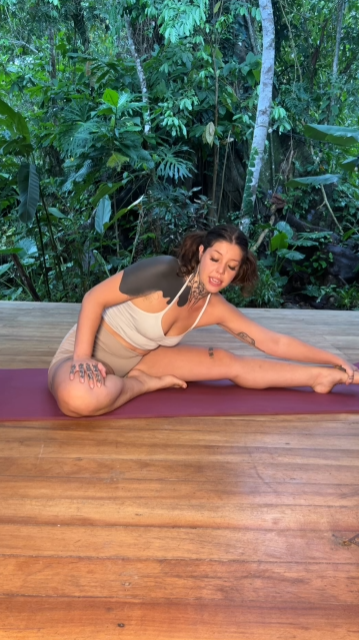
Stretching is often seen as a slow, relaxing activity, but it doesn’t always have to be. For beginners who want to move a little faster, get their body warmed up, or just squeeze in a short session, a fast-paced stretching routine can be surprisingly effective. The key is to combine dynamic stretches, mindful movement, and safe alignment so your body gets warmed up, your muscles lengthened, and your joints ready for movement—without feeling like you’re rushing blindly.
Even if you’re new to stretching, this kind of flow can energize you, improve mobility, and create a foundation for longer, slower sessions in the future. Think of it as a “wake-up” for your body that’s friendly, approachable, and designed to fit into a busy schedule.
Warming Up Quickly
Before stretching, your body needs a quick warm-up to prevent injury. Even a fast-paced routine benefits from just 3–5 minutes of gentle movement. The goal here is to increase blood flow and loosen up muscles that might be tight from sitting or daily activity.
Here’s a simple warm-up sequence:
- March in Place or Light Jog – 1 minute. Keep your arms moving to engage your upper body.
- Arm Circles – 30 seconds forward, 30 seconds backward. Open up shoulders and upper back.
- Hip Circles – 30 seconds each direction. This prepares your hips for dynamic movement.
- Torso Twists – 30 seconds. Stand with feet shoulder-width apart and gently twist your upper body from side to side.
Even though this is fast-paced, make sure each movement is controlled. The warm-up sets the tone for a safe session.
Dynamic Stretches for Full Body Movement

Dynamic stretches involve movement and are perfect for a faster flow. Unlike static stretches, they’re active and engage your muscles while stretching them. These are especially good for beginners because they reduce the risk of overstretching cold muscles.
1. Leg Swings – Forward & Side
- Stand near a wall for support.
- Swing one leg forward and backward 10–15 times, then switch.
- Swing each leg side-to-side for hip mobility.
- Keep the movements smooth; don’t force the leg too high.
2. Arm Crosses – Chest & Shoulders
- Extend both arms out to the sides.
- Swing them across your chest, alternating which arm goes on top.
- Repeat 15–20 times.
- This opens your chest and loosens the shoulders quickly.
3. Hip Openers – Dynamic Lunges
- Step one foot forward into a lunge, keeping your back leg straight.
- Twist your torso gently toward the front leg and return to standing.
- Repeat 5–8 times per side.
- Great for hips, quads, and spine mobility.
4. Torso Side Bends – Obliques & Spine
- Stand tall, feet hip-width apart.
- Sweep one arm overhead and gently bend to the opposite side.
- Alternate quickly, 10–12 reps each side.
- Keeps the spine mobile while stretching obliques.
Quick Static Stretches for Targeted Areas
After the dynamic phase, it’s helpful to briefly pause for a few static stretches. Even though this routine is faster, holding a stretch for 15–20 seconds per area can improve flexibility without slowing the pace too much.
1. Hamstring Stretch – Seated or Standing
- Sit with legs extended or stand and hinge forward at the hips.
- Reach toward your toes while keeping your spine long.
- Hold 15–20 seconds, then switch if standing for each leg.
2. Quadriceps Stretch – Standing
- Stand on one leg, pull the other heel toward your glutes.
- Keep knees close together, engage your core for balance.
- Hold briefly, switch legs.
3. Shoulder Stretch – Cross-Body
- Bring one arm across your chest, gently press with the opposite arm.
- Hold 15 seconds per side.
- Opens shoulders and upper back quickly.
4. Side Stretch – Standing or Seated
- Reach one arm overhead, bend slightly to the opposite side.
- Alternate sides.
- This stretches the sides of the torso and spine.
Even in a faster routine, these static holds provide necessary tension release and prepare the muscles for more movement later.
Combining Flow and Fast-Paced Movement
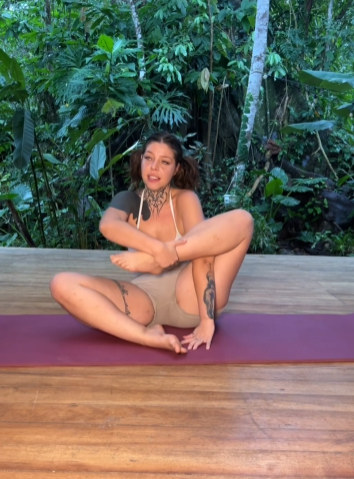
Once you’ve completed the warm-up, dynamic stretches, and brief static holds, it’s time to connect movements into a quick flow. This is where beginners can start to feel like they’re doing a “mini-class.”
Example Flow (Repeat 2–3 times):
- Forward fold → rise into half-way lift
- Step into a lunge → twist toward front leg
- Lift back leg into a small kick → return to standing
- Arm circles → reach overhead into side stretch
- Repeat on the opposite side
This keeps your heart rate slightly elevated while simultaneously stretching multiple areas of the body. It’s fast, fluid, and beginner-friendly.
Safety Tips for Fast-Paced Stretching
Even if the routine is quicker, safety should remain the priority:
- Never bounce aggressively into a stretch. Small, controlled movements are safer.
- Listen to your body. Stretching should feel challenging but not painful.
- Breathe continuously. Exhaling helps muscles release and stretch further.
- Keep movements coordinated. Fast does not mean sloppy.
By following these tips, even a quicker stretching routine can provide benefits without risk.
Benefits of a Fast-Paced Beginner Routine
- Increased Blood Flow – Dynamic stretches and flow sequences get your circulation moving.
- Enhanced Flexibility – Combining dynamic and brief static stretches gradually improves muscle length.
- Joint Mobility – Fast-paced movement keeps the joints lubricated and mobile.
- Time-Efficient – Perfect for busy mornings or short breaks during the day.
- Energy Boost – Unlike slow stretching that relaxes, fast-paced stretching energizes your body and mind.
This type of routine can be done almost anywhere—living room, office, or even outdoors—making it accessible to beginners with limited time.
Progression for Beginners
While this routine is beginner-friendly, over time you can gradually increase intensity:
- Extend holds for static stretches to 30–45 seconds
- Increase range of motion in dynamic stretches
- Add balance elements, like single-leg lunges or standing leg lifts
- Incorporate small pulses or controlled movements at the end of stretches
The key is progression without rushing. Even fast-paced routines benefit from gradual improvement.
Mindfulness in Fast-Paced Stretching
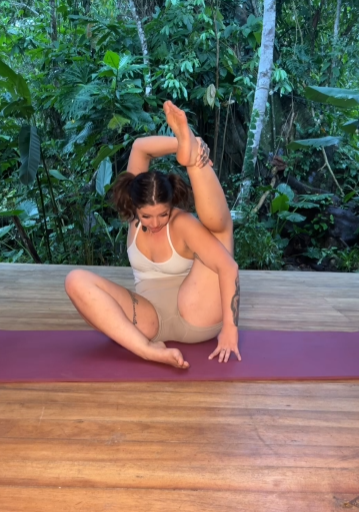
Even when moving quickly, mindfulness is essential. Beginners often rush through exercises without focusing on alignment or breath. Penelope, a yoga and flexibility coach, often emphasizes that mindful movement—paying attention to how your body feels—enhances effectiveness and prevents injury.
Focus on:
- Which muscles are stretching
- How your spine and joints are aligned
- Breathing in rhythm with each movement
This awareness ensures that speed does not compromise safety or benefit
Cool-Down
Even in a fast-paced session, a brief cool-down is important:
- Gentle forward fold for hamstrings
- Seated twist to release the spine
- Deep breathing with arms overhead
Spending just 2–3 minutes cooling down helps the body recover and reinforces the benefits of the stretches.
Final Thoughts
A beginner-friendly, fast-paced stretching routine is not only possible—it can be incredibly effective. By combining dynamic stretches, brief static holds, and mindful flow, you can wake up your muscles, improve mobility, and create a foundation for longer, more advanced sessions.
Remember: speed does not mean recklessness. Move with awareness, breathe deeply, and respect your body’s limits. Over time, your flexibility, strength, and coordination will all improve, leaving you energized, mobile, and ready for more movement challenges.
Fast-paced stretching might feel a little “sorry” at first because it moves quickly, but it’s friendly, effective, and surprisingly fun for beginners. You don’t need hours of slow practice to start feeling the benefits—just consistency, focus, and a willingness to move your body.