Strength and flexibility are often treated as opposite goals, but in reality, they depend on each other. A body that is only strong but stiff will move inefficiently, while a body that is flexible but weak will lack control. This is why combining yoga, stretching, contortion-inspired mobility work, and calisthenics creates one of the most complete physical training systems possible. It builds not only range of motion, but also stability, endurance, and body awareness.
This routine is designed to help you develop both strength and flexibility together, improving performance in calisthenics skills like push-ups, L-sits, and handstands, while also supporting advanced flexibility goals such as splits and contortion-style movement.
To begin, every session should start with preparation. Warm-up is not optional—it is essential. Spend 5 to 10 minutes raising your heart rate with light cardio such as jogging in place, jumping jacks, or skipping rope. This increases blood flow and prepares your joints for deeper movement. After that, move into dynamic mobility work. Arm circles, hip rotations, leg swings, and gentle spinal twists help awaken the entire body.
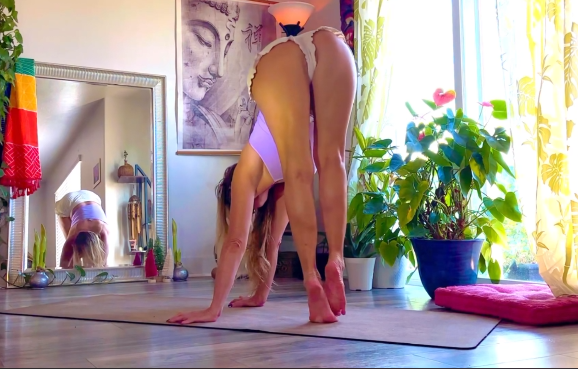
Once your body is warm, transition into yoga-based grounding poses. Start with downward dog. This position stretches the hamstrings, calves, shoulders, and spine while also building light strength in the upper body. Press your hands firmly into the floor, lift your hips high, and aim to lengthen your spine. Bend your knees slightly if needed to maintain proper alignment. Hold for 30–60 seconds while breathing steadily.
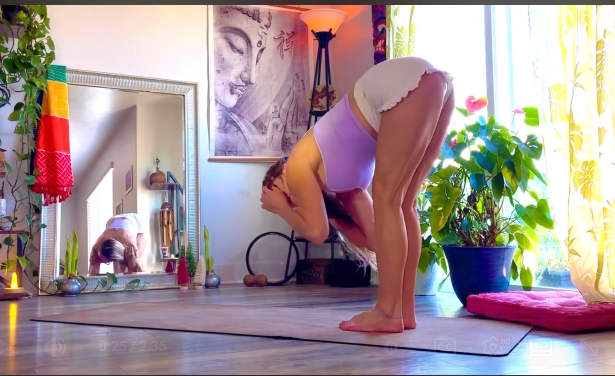
Next, move into a low lunge. Step one foot forward and lower your back knee to the ground. This stretch targets the hip flexors, which are crucial for both splits and calisthenics movements like deep squats and lunges. Keep your chest lifted and core engaged. For a deeper variation, raise your arms overhead and gently lean forward, increasing the stretch in your hip and front thigh.
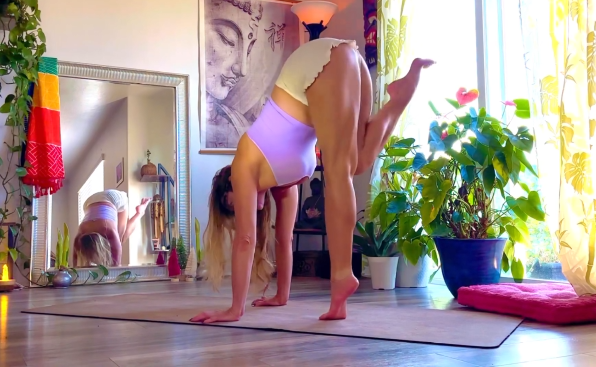
From here, transition into a half split. Straighten your front leg while keeping your back knee on the floor. Flex your foot and slowly fold forward. This isolates the hamstrings and prepares the body for deeper flexibility work. Hold the position for 30 seconds on each side, focusing on slow breathing.
Now begin integrating strength-based flexibility. One of the most effective movements is the plank to downward dog flow. Start in a plank position, engage your core, then push back into downward dog. Repeat this movement slowly. This builds shoulder stability, core strength, and hamstring flexibility simultaneously.
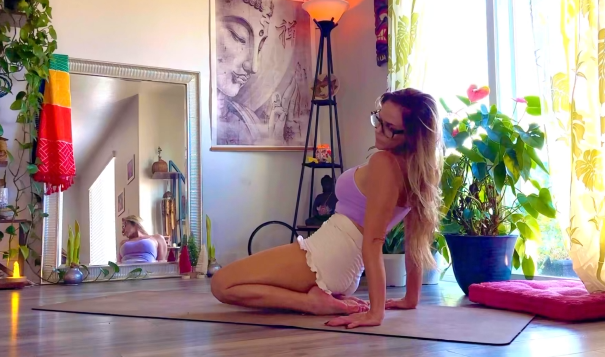
For contortion-style training, introduce controlled backbends. Begin with a cobra pose, lifting your chest while keeping your hips grounded. Press your hands into the floor and gently open your chest. This strengthens the spine and improves flexibility in the back and shoulders. Progress slowly to deeper backbends only if your body is ready.
Now move toward split training. From a lunge position, slowly slide into a front split as far as your body allows. Do not force it. Use your hands for support and keep your hips square. Hold the position while engaging your legs lightly—this is where strength meets flexibility. Try not to completely relax; instead, activate your muscles to maintain control. Hold for 20–30 seconds per side.
Middle splits can be trained using a wide straddle position. Sit on the floor and open your legs wide. Lean forward slightly while keeping your back straight. This targets the inner thighs and hip joints. For a more advanced variation, place your hands on the floor in front of you and gently shift your weight forward.
Calisthenics integration is where this routine becomes powerful. After stretching, move into strength work while your muscles are already activated. Try push-ups, focusing on full range of motion. Engage your core and maintain a straight body line. Then progress to hollow body holds, which strengthen the deep core muscles needed for both gymnastics and contortion control.
Another key movement is the L-sit. Sit on the floor, place your hands beside your hips, and lift your legs off the ground. This requires strong shoulders, arms, and core stability. Even holding a bent-knee version is effective if you are a beginner. Over time, this will improve both strength and compression flexibility.
Handstand training also benefits greatly from this routine. Start with wall-supported handstands, focusing on alignment and shoulder engagement. The combination of stretching and strength work improves balance, control, and confidence upside down.
Breathing is essential throughout the entire routine. In yoga and flexibility work, deep breathing helps relax muscles and increase range of motion. In calisthenics, controlled breathing improves endurance and stability. Inhale during preparation, and exhale during effort or deeper stretches.
Recovery is equally important. After training, your muscles need time to adapt. Light stretching, walking, or gentle movement helps reduce soreness. Hydration and proper nutrition support muscle repair and flexibility gains. Avoid pushing intense flexibility or strength work every single day without rest.
Consistency is what creates results. A single session will not transform your body, but repeated effort over weeks and months will. Some days your body will feel open and strong; other days it may feel tight or weak. This is normal. Progress is not linear, but it is always happening when you stay consistent.
One of the most important principles in this type of training is control. Whether you are holding a split, balancing in a handstand, or performing a push-up, your goal is not just to reach the position—it is to own it. Strength without control leads to instability. Flexibility without control leads to injury risk. Together, they create mastery.
This yoga and stretching routine blends the best of multiple disciplines: the mindfulness of yoga, the discipline of calisthenics, and the extreme range of motion found in contortion training. It teaches your body to move not only further, but smarter.
In conclusion, building both strength and flexibility is the key to unlocking full-body potential. Through consistent practice of this routine, your hamstrings will lengthen, your hips will open, your core will strengthen, and your overall movement quality will improve. Whether your goal is athletic performance, artistic movement, or advanced body control, this combination gives you a complete foundation.
Stay patient, stay disciplined, and train with awareness. Over time, your body will not just become more flexible or stronger—it will become capable, balanced, and fully in control of movement.