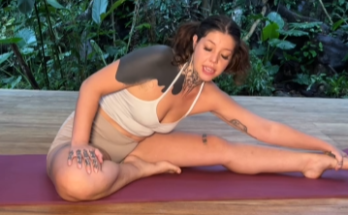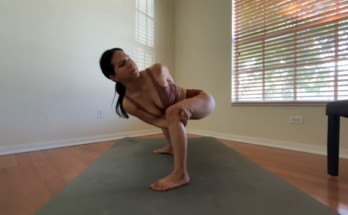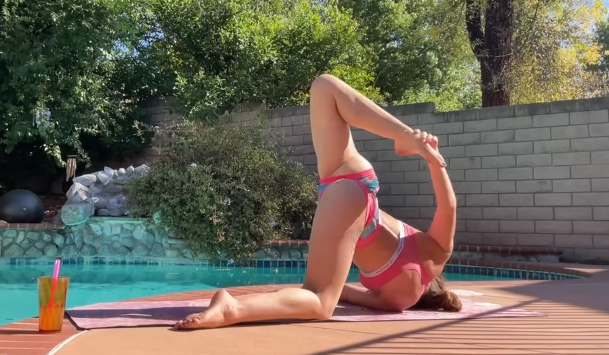
There’s something incredibly powerful about dedicating time to your hips. They are one of the most important yet most neglected areas of the body—quietly holding tension, storing emotions, and supporting nearly every movement you make. This 30-minute deep hip mobility yoga session is not just about flexibility; it’s about release, awareness, and reconnecting with a part of your body that does so much for you every single day.
As you begin, find a quiet space where you won’t be disturbed. Roll out your mat, take a comfortable seated position, and gently close your eyes. Before you move, take a moment to arrive. Let your breath slow down. Inhale deeply through your nose, and exhale fully through your mouth. Do this a few times, allowing your mind to settle and your body to soften.
Hips tend to carry tension from long hours of sitting, walking, running, and even emotional stress. This practice is designed to gradually open the hips in a safe and mindful way. There’s no need to force anything—your body will open in its own time when you listen and move with intention.
Begin with a gentle warm-up. Come into a seated position and start with slow hip circles. Move your torso in a circular motion, letting your hips follow naturally. This may feel subtle, but it’s an important way to wake up the joint and bring awareness to the area. Keep your breath steady, allowing each inhale to expand your body and each exhale to deepen the movement.
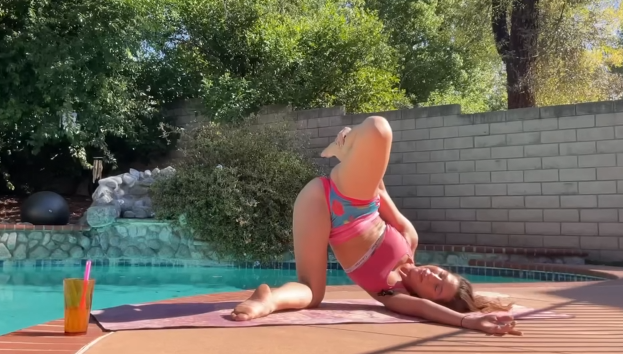
From here, transition into Cat-Cow on your hands and knees. As you inhale, drop your belly and lift your chest. As you exhale, round your spine and tuck your chin. While this is primarily a spinal movement, it also begins to engage the hips and pelvis. Move slowly, syncing your breath with your movement.
Next, step your right foot forward into a low lunge. Allow your hips to gently sink forward. You may already feel a stretch in the front of your left hip. Place your hands on your thigh or on the mat, depending on what feels comfortable. Stay here for several breaths, allowing your body to relax into the pose. Each exhale is an opportunity to release tension.
To deepen the stretch, you can lower your back knee and shift your hips slightly forward. Be mindful not to force the movement. Hip mobility is not about pushing to the maximum; it’s about finding the edge where you feel sensation but not pain.
After a few breaths, begin to explore gentle movement in this position. Shift your hips forward and back slowly, almost like a wave. This dynamic movement helps to increase mobility and brings a sense of fluidity to the joint.
Now, transition into a half split. Shift your hips back, straightening your front leg while keeping a slight bend in the knee if needed. This targets the hamstrings while also affecting the hips. Flex your front foot and breathe deeply. If you feel tightness, that’s okay—just stay present with the sensation.

Return to your low lunge and then gently move into a deeper hip opener like Pigeon Pose. Bring your right knee forward and place it behind your right wrist, extending your left leg straight back. This pose can be intense, so take your time setting it up. You can place a cushion or block under your hip for support.
In Pigeon Pose, the goal is not to go as low as possible but to find a place where you can breathe comfortably. Fold forward if it feels good, resting your forearms or forehead on the mat. Stay here for several breaths, allowing gravity to do the work. With each exhale, imagine tension melting away from your hips.
Hip openers can sometimes bring up unexpected emotions. This is completely normal. The hips are often referred to as a storage area for emotional stress. If you feel anything arise—whether it’s frustration, sadness, or even a sense of relief—allow it to be there without judgment.
After holding the pose, slowly come out and return to a neutral position. Take a moment to notice the difference between your right and left side. This awareness is a key part of the practice.
Repeat the same sequence on the other side, moving with the same patience and attention. Notice if one side feels tighter or more resistant. This is common and simply reflects the natural imbalances in the body.
As you move through the second side, remind yourself that progress in hip mobility takes time. There is no need to rush. Consistency and mindfulness are far more important than intensity.
Once both sides are complete, come onto your back for a final series of gentle stretches. Hug your knees into your chest and rock side to side. This helps to release the lower back and provides a gentle massage for the hips.
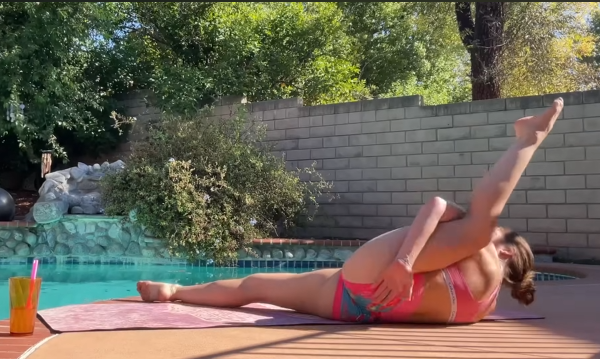
From here, move into Figure Four Stretch. Cross your right ankle over your left thigh and gently pull your legs toward your chest. This stretch targets the outer hips and glutes. Keep your shoulders relaxed and your breath steady.
Switch sides and repeat.
To finish the practice, extend your legs and come into a resting position. Allow your feet to fall open naturally and place your arms by your sides. Close your eyes and take a few moments to simply breathe.
Notice the sensations in your hips. They may feel more open, more relaxed, or even slightly fatigued. This is a sign that you’ve worked deeply and mindfully.
This 30-minute deep hip mobility yoga session is more than just a physical routine—it’s an act of self-care. It’s a reminder to slow down, to listen to your body, and to give attention to areas that are often overlooked.
Over time, you may begin to notice improvements not just in your flexibility, but in your overall movement, posture, and even your emotional well-being. The hips play a central role in how we move through life, both physically and metaphorically.
By dedicating just 30 minutes to this practice, you are investing in your long-term health and balance. Keep returning to it, and allow your body to open gradually, naturally, and safely.
Your hips will thank you—and so will your entire body.