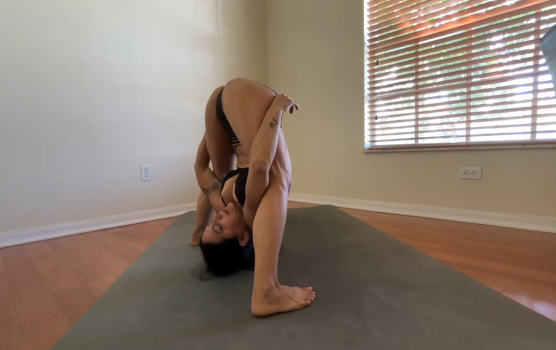
In today’s fast-paced world, where stress, anxiety, and physical strain are constant companions, people are searching for solutions that go beyond quick fixes and temporary relief. While many turn to medications and supplements to manage stress or health issues, there is a natural, holistic path that requires no pills—just the power within your own body and mind. This path is yoga. Yoga is not merely an exercise routine; it is a philosophy, a lifestyle, and a powerful practice that unites the body, mind, and spirit. It provides a stronger, enduring power that no pill can replicate.
The Holistic Approach of Yoga
Yoga, originating thousands of years ago in India, was designed to cultivate balance, awareness, and harmony in life. It encompasses more than physical postures; it includes breathing techniques (pranayama), meditation, mindfulness, and ethical practices. This holistic approach enables yoga to influence every facet of human well-being. Unlike pharmaceuticals, which often treat isolated symptoms, yoga addresses the root causes of physical tension, mental stress, and emotional imbalance.
When practiced consistently, yoga strengthens muscles, increases flexibility, improves posture, and enhances overall physical health. The postures, or asanas, are designed to stimulate organs, improve circulation, and release toxins from the body. But the physical benefits are just the beginning. Yoga simultaneously engages the mind. Focused breathing, awareness of movement, and meditation cultivate calmness, clarity, and mental resilience.
The Power of Mindness
“Mindness” is a concept central to yoga, emphasizing the conscious connection between thought, breath, and body. It encourages practitioners to live in the present moment, observing sensations, emotions, and thoughts without judgment. This awareness allows individuals to recognize stress triggers, emotional patterns, and negative thought loops.
Scientific research has shown that mindfulness practices—integral to yoga—reduce cortisol levels (the stress hormone), lower blood pressure, and improve mental health. Practicing mindness can enhance cognitive function, memory, and emotional intelligence. Unlike medications that often mask symptoms or create dependency, yoga fosters intrinsic mental strength. With consistent practice, your mind becomes sharper, more focused, and better equipped to handle challenges.
Building Strength Without Medication

One of the most compelling aspects of yoga is its ability to strengthen both body and mind naturally. While gyms and fitness programs focus largely on physical strength, yoga integrates mental fortitude into every movement. Balancing poses, such as Tree Pose or Eagle Pose, require concentration, body awareness, and inner calm. In these moments, the mind is trained to focus, and the body is strengthened subtly but powerfully.
Similarly, yoga’s dynamic sequences, like Vinyasa flows, challenge the body’s stamina and flexibility while simultaneously synchronizing breath and movement. This union of breath and motion enhances endurance, oxygenates tissues, and energizes the nervous system. Over time, these practices develop resilience, not just in muscles, but in the nervous system itself. Stress responses are reduced, mood improves, and the overall sense of vitality increases.
Pranayama, or breath control, is another key tool. Deep, intentional breathing calms the nervous system, improves lung capacity, and helps regulate emotions. Techniques like alternate nostril breathing or deep diaphragmatic breaths help manage anxiety, depression, and stress naturally—without pharmaceutical intervention. Your own breath becomes the medicine.
Yoga as Emotional Medicine
Modern life often leads to emotional overload. Anxiety, frustration, sadness, and exhaustion are common experiences. Yoga offers a natural, drug-free alternative for emotional healing. Meditation and mindful movement teach self-regulation, emotional awareness, and acceptance.
Practices such as seated meditation, gentle stretching, or restorative poses like Child’s Pose or Savasana allow the nervous system to reset. They create a safe space where emotions can surface without judgment. Through this process, emotional resilience grows. Over time, practitioners notice a shift: negative thoughts lose their grip, irritability decreases, and inner peace becomes a familiar state rather than a fleeting moment.
Even for individuals facing chronic emotional challenges, yoga can complement therapy or other interventions, often reducing the need for reliance on medication. By strengthening the mind’s ability to self-soothe, yoga nurtures a sense of control and empowerment over one’s mental and emotional landscape.
Holistic Benefits for Health

Yoga’s influence extends beyond mental and emotional wellness. Physical health benefits are profound, making it a powerful, all-natural tool for healing. Regular yoga practice can:
- Enhance flexibility and balance: Stretching the muscles and strengthening stabilizing joints prevents injuries and improves posture.
- Boost immunity: Yoga stimulates lymphatic circulation, aids detoxification, and supports the body’s natural defense systems.
- Improve heart health: Mindful movement and breath control reduce stress on the cardiovascular system, lower blood pressure, and promote better circulation.
- Alleviate chronic pain: Gentle stretches and mindful awareness of the body reduce tension and can relieve symptoms of back pain, arthritis, and other musculoskeletal issues.
- Support digestive health: Certain postures massage internal organs and promote optimal digestion.
- Enhance sleep quality: Mindfulness and relaxation techniques calm the mind, improve sleep cycles, and reduce insomnia.
These benefits show that yoga is not just a fitness regimen; it is a holistic medicine cabinet, accessible to anyone willing to invest time and dedication.
Yoga in Daily Life
Yoga’s true power comes from integration into daily life. Beyond the mat, yoga encourages mindful living. Paying attention to posture while sitting or walking, conscious breathing during stressful situations, and moments of reflection throughout the day extend yoga’s benefits beyond structured sessions.
Even a few minutes of morning stretching combined with deep breathing sets a positive tone for the day. Lunchtime meditative walks or short restorative sessions at home reduce stress, increase focus, and elevate mood. Evening relaxation sequences help the body and mind transition from activity to rest, promoting restorative sleep.
Yoga is versatile. It adapts to all ages, fitness levels, and lifestyles. You do not need expensive equipment or medications—just the willingness to listen to your body, cultivate awareness, and dedicate time to consistent practice.
Conclusion: A Stronger Power Within
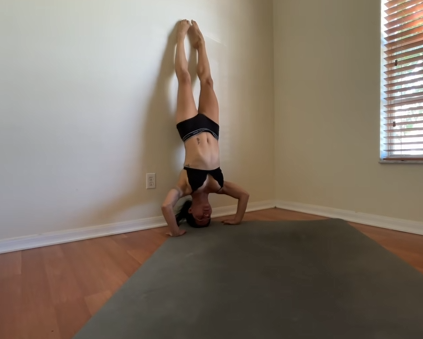
Yoga offers a stronger power than any pill can provide because it develops resilience from within. It empowers individuals to manage stress, cultivate inner peace, and strengthen both body and mind naturally. Medications may temporarily mask symptoms, but yoga equips you with lifelong tools for self-care, emotional stability, and holistic health.
By embracing yoga, you unlock a powerful synergy of body and mindness. Every posture, every breath, every mindful moment strengthens your natural capacity for healing and balance. The benefits are cumulative, growing over weeks, months, and years. With commitment, you will find that your vitality, emotional resilience, and mental clarity reach levels that no external medication could achieve.
In a world where quick fixes are glorified, yoga reminds us of the innate strength within. It teaches us that true healing comes from alignment—of body, mind, and spirit. It offers liberation from dependence on pills and chemical solutions, replacing them with a natural, enduring, and profound power.
Yoga is more than a practice. It is a journey toward mastery of self, a path to inner strength, and a testament to the mind and body’s remarkable potential. The stronger power of yoga lies not in external remedies, but in you—your breath, your awareness, your discipline, and your willingness to embrace the moment fully. No pills are needed when you have the wisdom and energy of your own body and mind.